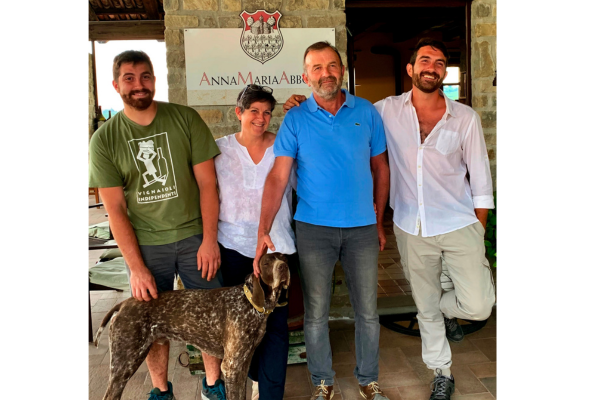
Anna Maria Abonna, Langhe, Italy
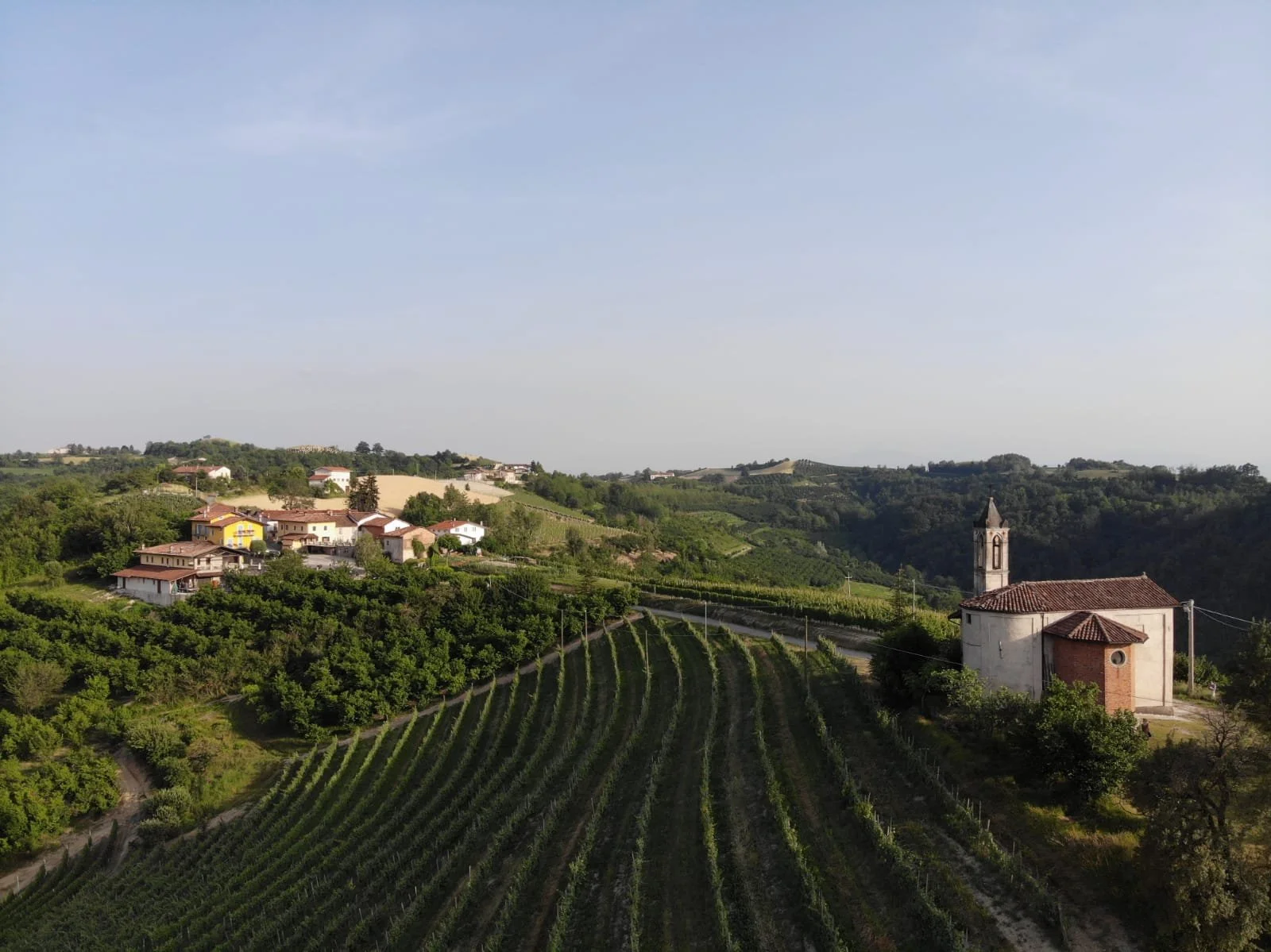
The Anna Maria Abbona estate is located in the rolling hills of Dogliani
In the rolling hills of Dogliani, where Dolcetto has shaped both landscape and identity for generations, Anna Maria Abbona stands as a compelling example of how old vines can preserve not only a grape variety, but also the cultural memory of a territory. For Anna Maria Abbona, these vineyards are far more than agricultural assets: they are living witnesses to family history, resilience, and continuity.
The estate spans 43 hectares, with 22 hectares under vine, and remarkably, most of the hectares are classified as old vines. Some parcels date back to 1918, while others were planted in 1936, 1943, 1950, and the early 1950s. At the heart of the estate are the historic Maioli and San Bernardo crus, both dedicated to Dolcetto and cultivated on classic white calcareous marls at elevations reaching over 500 metres above sea level. While the estate does not specify the exact hectare size of each cru individually, these old Guyot-trained vineyards form the backbone of production for the winery’s flagship wines: Dogliani Superiore Maioli and Dogliani Superiore San Bernardo. Together, the old-vine parcels yield approximately 12,000–15,000 bottles annually, bottlings that challenge the simplistic reputation often assigned to Dolcetto.
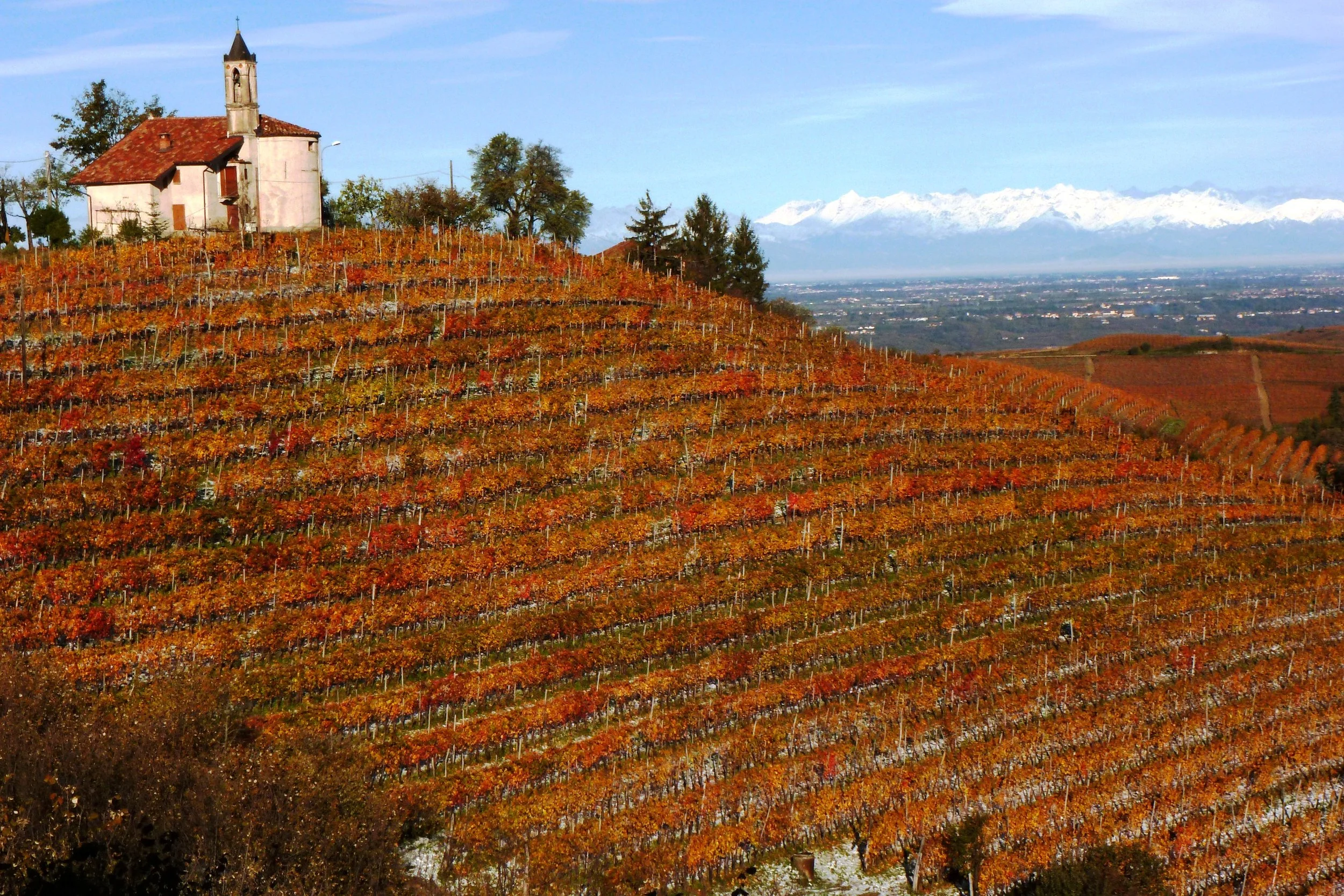
The estate spans 43 hectares, with 22 hectares of old vines, dating back as far as 1918
“Old vines are like part of the family,” says Anna Maria Abbona. “A very close relative, wise and constant, from whom you would never want to separate yourself.”
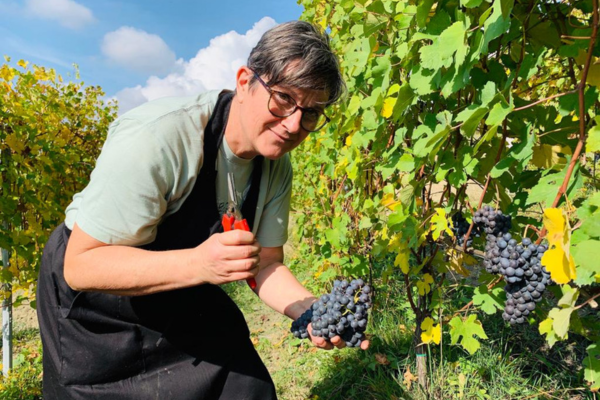
Anna Maria Abbona out in the vines that she considers “part of the family”
The Maioli vineyard carries particular historical significance. It was the first vineyard planted by Anna Maria’s grandfather Angelo after the devastation of phylloxera. Visionary for his time, he experimented with different Dolcetto clones and rootstocks to study vigour, yields, and ripening times — effectively creating an experimental vineyard decades before clonal research became commonplace. Those decisions today represent an invaluable reservoir of genetic diversity and viticultural heritage.
Anna Maria grew up listening to her grandfather’s stories about the value of these vineyards, stories that ultimately inspired her return to the family estate in 1989. “It was this awareness that convinced me to come back to the vineyards,” she explains. That continuity between generations is central to the winery’s philosophy and identity.
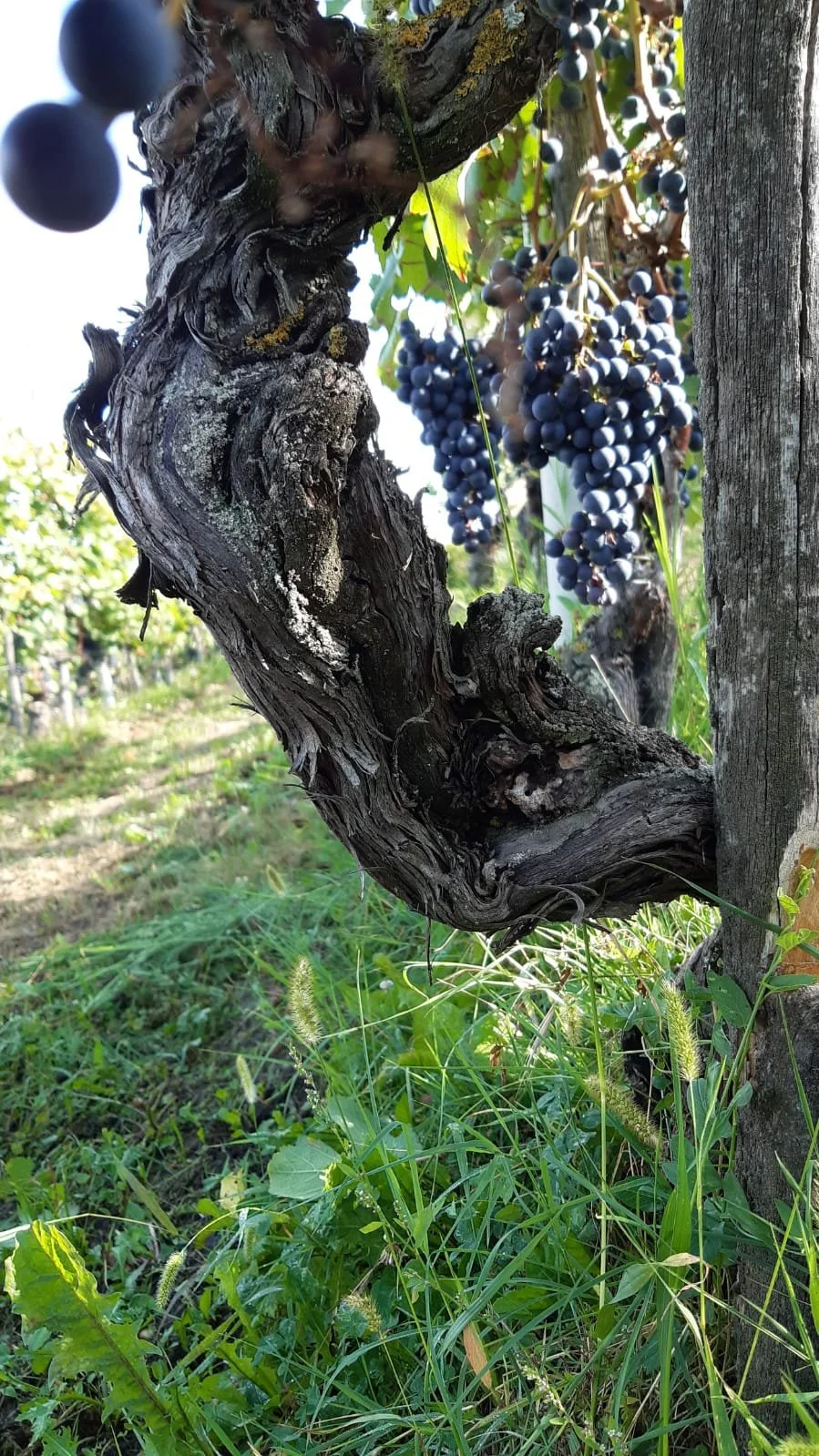
The old vines produce tiny berries and small bunches
The old vines themselves tell the story in the glass. Their naturally low vigour produces tiny berries and small bunches, resulting in wines of concentration, tannic depth, and surprising longevity. These are not simple, easy-drinking Dolcetti, but wines with structure, complexity, and the capacity to age gracefully. “They are proof that Dolcetto is a great grape variety when planted in the right conditions,” Anna Maria says, noting that these high-altitude sites receive the same careful attention often reserved for Nebbiolo.
Beyond wine quality, the vineyards have become increasingly important in the context of climate resilience. Deep root systems allow the old vines to better withstand drought and climatic extremes, maintaining balance even in challenging vintages. Yet preservation is not without difficulty. Diseases such as flavescence dorée pose a serious threat, particularly in biodiverse environments like Dogliani.
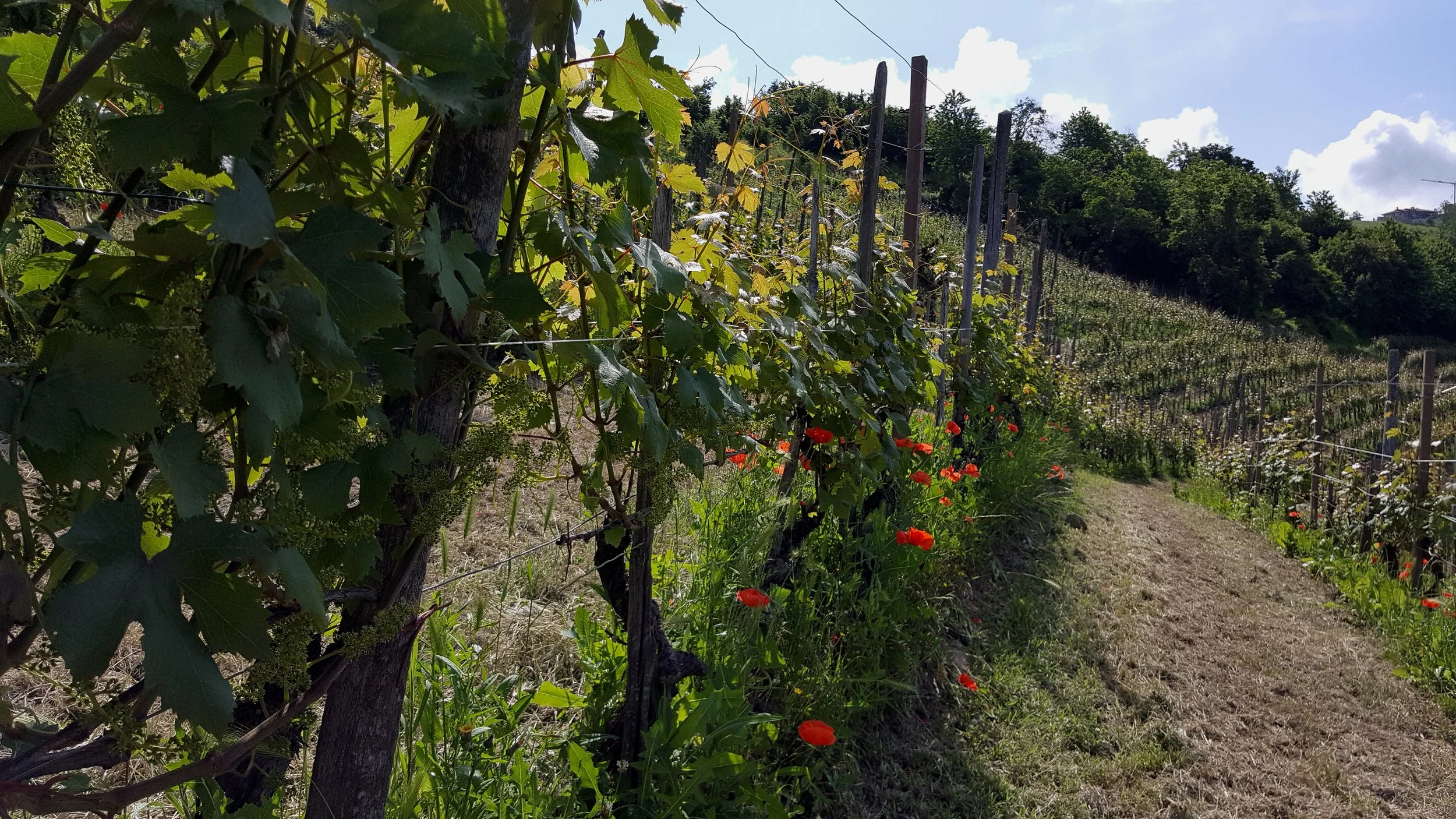
Biodiversity is a key feature of the vineyards in Dogliani
For Anna Maria Abbona, safeguarding these vineyards is therefore both a responsibility and an act of cultural preservation. “Old-vine Dolcetto is sadly in danger of disappearing,” she warns. “These vineyards are the backbone of our estate.”
Nowhere is this sense of resilience more poignant than in the San Bernardo vineyard, planted in 1943 on hard limestone soils painstakingly worked by hand. Local stories recall two young Italian soldiers, hidden by villagers during the final years of the Second World War, who helped prepare the land by moonlight before tragically disappearing during a German raid. Today, the vineyard remains a silent memorial to sacrifice, endurance, and renewal — values deeply rooted in every bottle produced by the estate.
Website: annamariabbona.it
Instagram: @annamariabbona
Instagram: @cascina_bricco_san_pietro
Photos supplied by winery