
Castello Di Neive, Piedmont, Italy
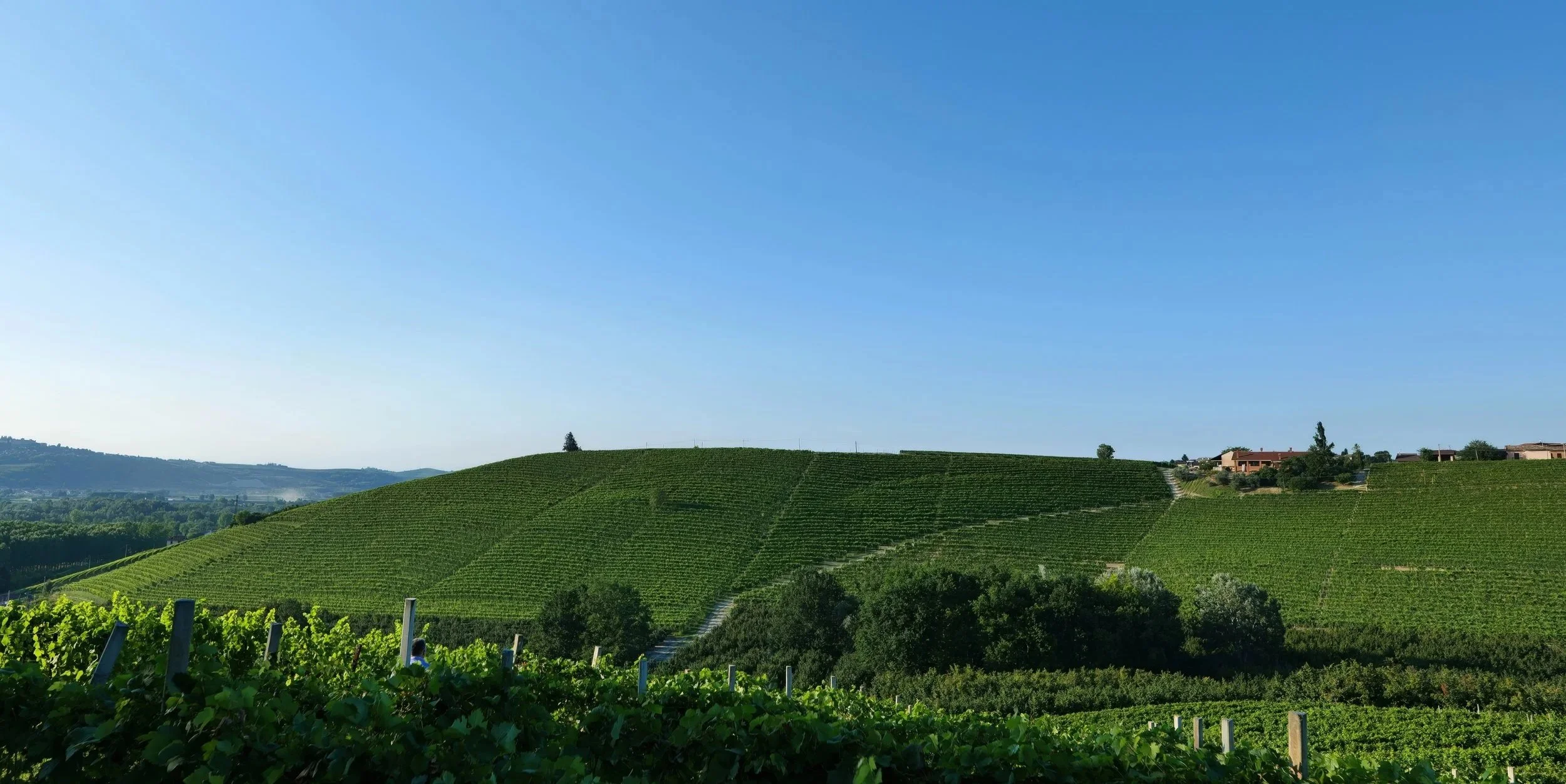
The Santo Stefano vineyard is among the most historically significant sites in Neive
At the centre of the historic Barbaresco zone, Castello di Neive represents one of the Langhe’s most important custodians of old-vine heritage. Purchased in 1964 by Giacomo Stupino from the Counts of Castelborgo, the estate today covers 54 hectares, including 28 hectares under vine, with an annual production of approximately 160,000 bottles. The winery cultivates Arneis, Nebbiolo, Barbera, Dolcetto, Pinot Nero and Albarossa, yet its identity is deeply rooted in the historic old vineyards of Santo Stefano and Basarin.
These vineyards, totalling nine hectares, contain vines with an average age of 35 years, while the oldest parcels date back nearly sixty years. The oldest Nebbiolo vines in Santo Stefano were planted between 1967 and 1970, with further plantings in 2001 and 2008. The Barbera parcels date from 1970, while Dolcetto in Basarin was planted between 1977 and 1987. Cultivated traditionally in Guyot training, these vineyards continue to provide the foundation for some of the estate’s most distinctive wines: Dolcetto d’Alba DOC Vigna Basarin, Barbera d’Alba DOC Vigna Santo Stefano, Barbaresco DOCG Albesani Vigna Santo Stefano and the Barbaresco DOCG Riserva Albesani Vigna Santo Stefano.
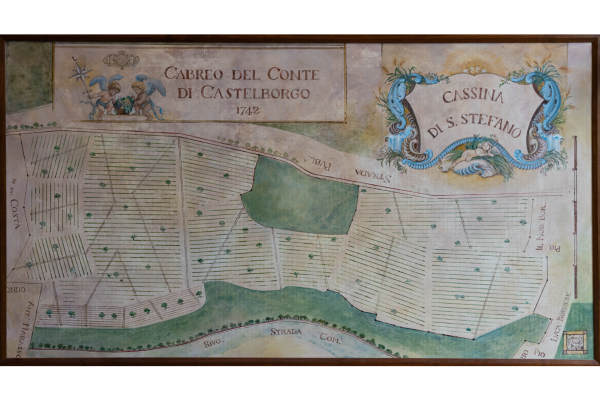
Documents dating back to 1742 referencing the “Cassina di S. Stefano” in the records of the Castelborgo family
Santo Stefano is among the most historically significant sites in Neive. Documents dating back to 1742 already reference the “Cassina di S. Stefano” in the records of the Castelborgo family. By 1767, archival inventories specifically distinguished the Nebbiolo from Santo Stefano as worthy of separate vinification, a remarkable recognition of quality for the period. When Giacomo Stupino acquired the estate in 1964, he immediately recognised the exceptional potential of this vineyard, despite parts of it then lying uncultivated. His decision would shape the future identity of the winery.
Located within the Albesani MGA, Santo Stefano occupies a privileged position closest to the Tanaro River. The vineyard’s south and south-west exposure allows complete phenolic ripening even in cooler vintages, while the river moderates temperature extremes. The calcareous marl soils, rich in clay, sand and silt, possess an important water-retention capacity that helps the vines withstand increasingly frequent drought conditions. Basarin, by contrast, rises on a steep, windswept hillside at higher elevation, where south-facing old Dolcetto vines produce wines marked by freshness, structure and aromatic precision.
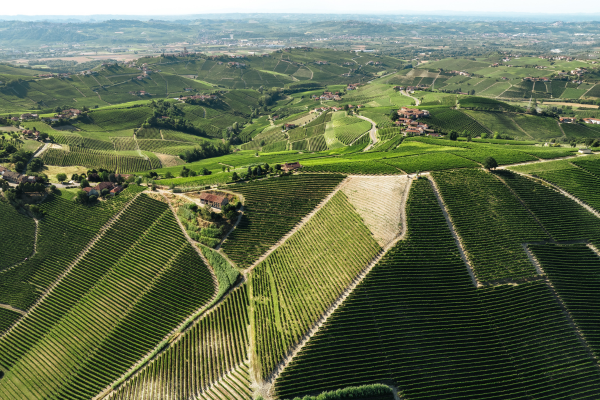
Dolcetto vines in the Basarin vineyard, planted on steep, south-facing slopes between 1977 and 1987
For Castello di Neive, old vines are both an agricultural and cultural patrimony. Historic massal selections preserved within these vineyards safeguard rare genetic material that has largely disappeared elsewhere. Their deep root systems naturally regulate water absorption, reducing hydric stress and limiting the need for phytosanitary treatments, thereby contributing directly to environmental sustainability and vineyard resilience.
The estate’s philosophy centres on preservation rather than replacement. Alongside limited experimental clonal research carried out with the University of Turin and the CNR, the winery has increasingly returned to propagating its own historic massal selections. Great care is also taken to replace individual missing vines rather than uprooting entire parcels, ensuring the continuity of the old vineyards for future generations.
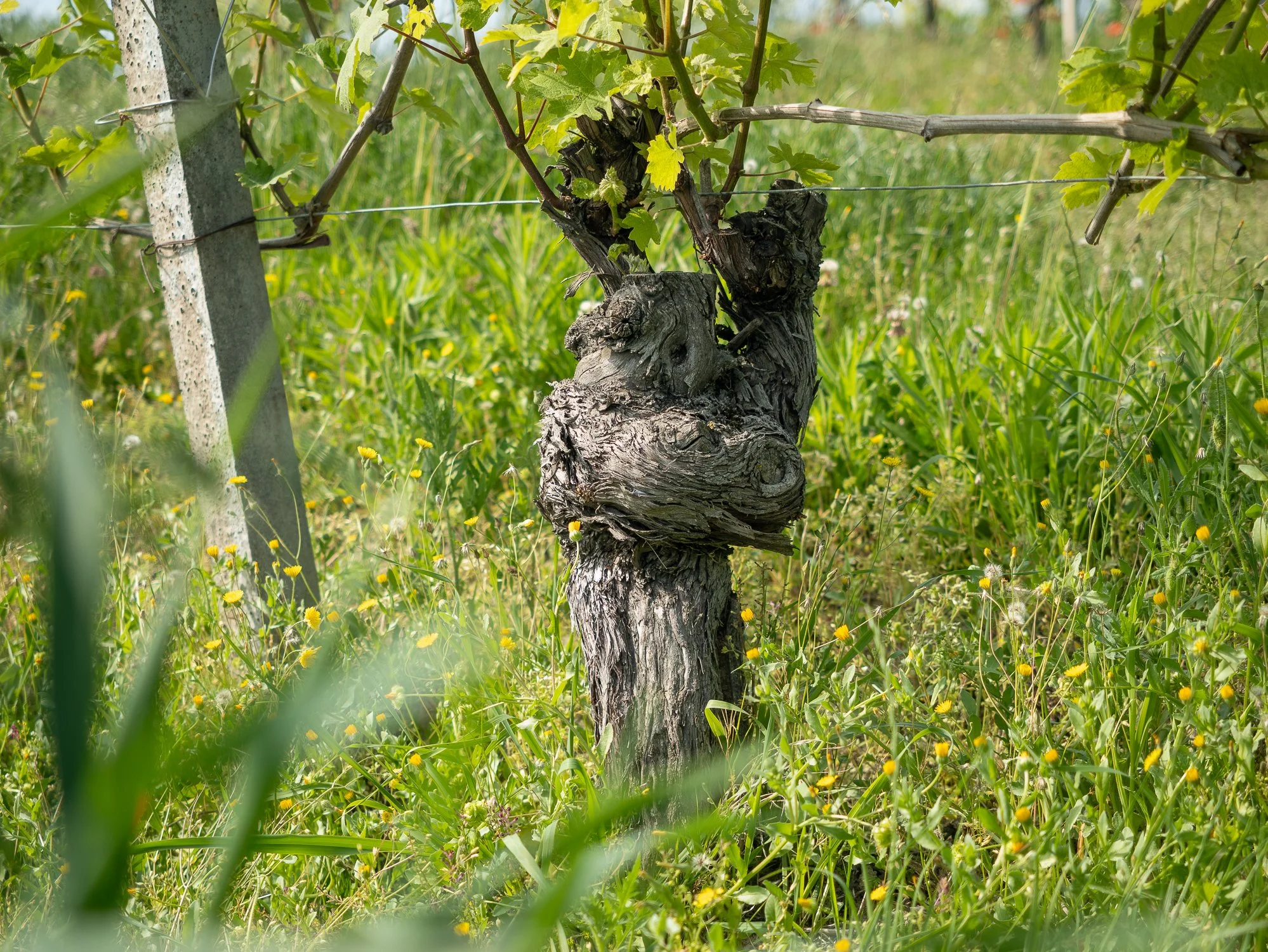
Old vines in the Santo Stefano vineyard
Today, these vineyards remain the symbolic heart of Castello di Neive — a living expression of the Langhe’s history, identity and longevity.
As Claudio Roggero, the estate’s winemaker since 1999, reflects: “These vineyards can give extraordinary wines, but they also carry a great responsibility. Their care requires deep knowledge and experience, because everyone expects greatness from them in every vintage.”
Website: Castellodineive.it
Instagram: @castellodineive
LinkedIn: @castellodineive
Photos supplied by winery