
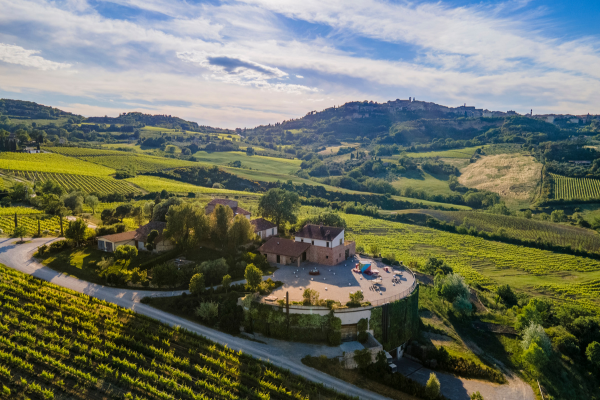
The Salcheto estate spans 88 hectares, including 72 hectares of vines
At the foot of Montepulciano, the Salcheto stream winds through a valley where willows once grew in abundance. In old Tuscan usage, salco means willow; its flexible branches, known as vinco, were traditionally used to tie vines. The stream gives the estate its name and marks the boundary of its organic and biodynamic vineyards, linking Salcheto’s identity to the landscape around it. The willow remains an emblem of the winery, which continues to replant it partly for biomass.
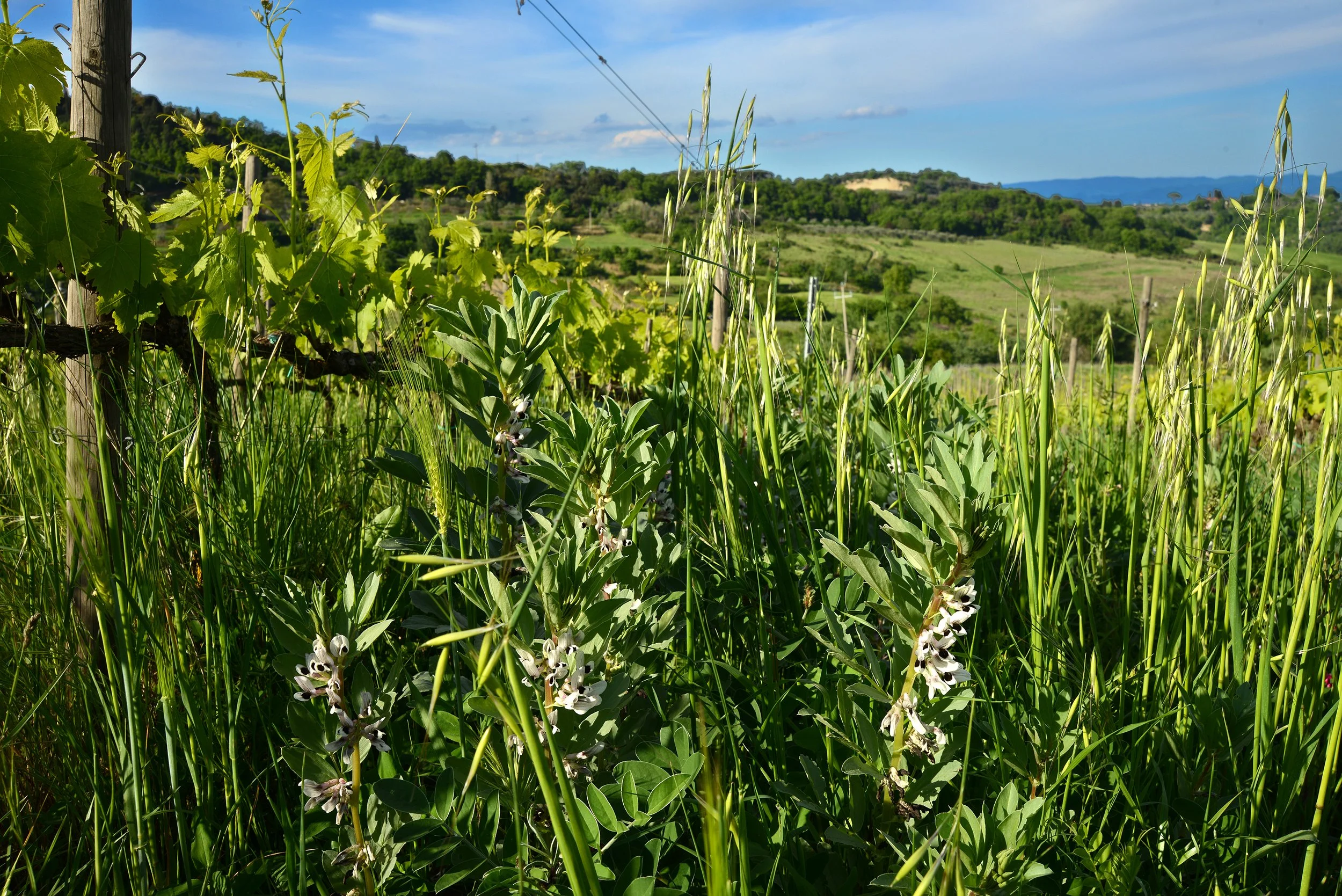
Cover crops are left to grow among the biodynamic and organic Salco vines
The estate spans 88 hectares, including 72 hectares of vines, and produces around 450,000 bottles each year. Sangiovese—known locally as Prugnolo Gentile—accounts for more than 90 per cent of its plantings. Salcheto’s work with this variety is closely bound to Salco, a historic vineyard that became the founding project for its wines and viticultural learning.
The current Salco vines were replanted from 1987 using buds from plants already growing there in the 1960s and 1970s. This selection became the source material for later Salcheto Nobile vineyards. The first Vino Nobile carrying the Salcheto label was made from Salco in 1990; in 1999, it became a single-vineyard wine.
Today, Salco and Laghetto together make up 2.7 hectares of old vines, averaging about 35 years of age. Their Sangiovese fruit goes into Salco and Salco Vecchie Viti, made in small quantities: approximately 9,000 and 3,000 bottles respectively.
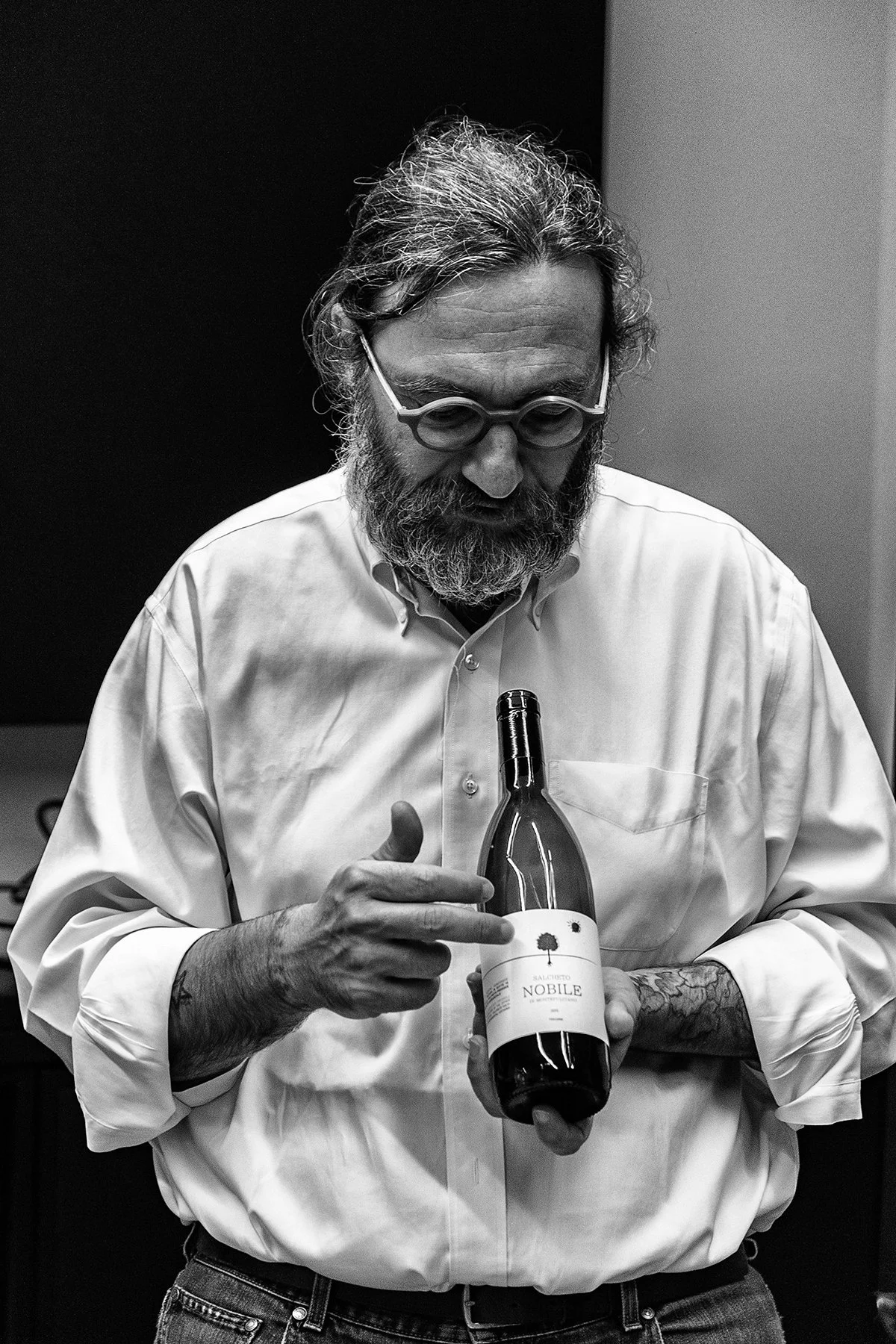
Founder and CEO Michele Manelli is also Vice President of Equalitas a company created to promote sustainable business models in the wine industry
Salco sits at around 400 metres, on a north-leaning exposure in a breezy valley, with soils described in the estate notes as containing more than 35 per cent blue clay. Salcheto says the old vines have helped it understand how Sangiovese expresses the Montepulciano terroir. It describes their fruit as bringing depth, freshness and balance, and observes that the vines appear to withstand heat and drought better than younger plantings. That is the winery’s experience of these particular vines, rather than a general claim about vine age.
For Salcheto, preserving the vineyard also means preserving its genetic heritage. The winery has propagated its Salco selection since the 1990s, regarding it as a distinctive part of local Sangiovese diversity. As individual vines are lost, it plans to replace them using material from the vineyard’s own massal selection. In this way, renewal is part of the preservation plan: the aim is to carry the vineyard’s character forward through successive generations of vines.
Salcheto’s wines express a terroir-focused approach to Sangiovese, with an emphasis on drinkability and aromatic precision. Its Obvius red, white and rosé wines are made from grapes alone, without added sulphites, using indigenous yeasts.
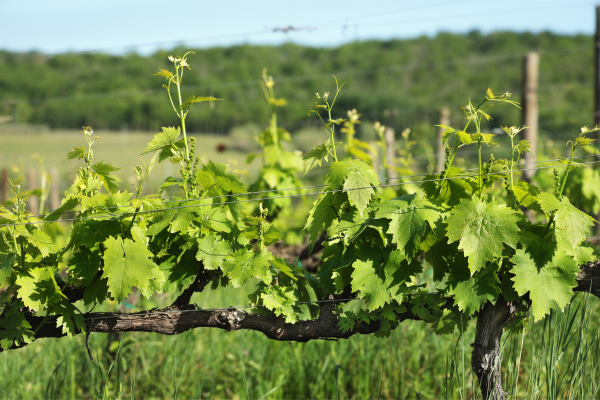
The current Salco vines were replanted from 1987 onwards using buds from plants already growing there in the 1960s and 1970s.
The winery’s environmental approach extends to its energy self-sufficient cellar, measurement of carbon and water footprints and biodiversity, and its own lightweight Bordeaux bottle, designed to reduce packaging impact while recalling traditional Tuscan forms. Its credentials include Equalitas Sustainable Wine certification, organic certification under EU, Canadian and USDA standards, and ISO 14067 certification for carbon footprint measurement.
Since 2021, Salcheto has been a Benefit Corporation, with sustainability commitments written into its articles of association and reported publicly each year. The estate’s identity brings together a particular place, a long relationship with Sangiovese and a practical commitment to managing environmental impact. Salco remains its clearest expression: both a wine and a vineyard through which Salcheto has built and continues to renew its understanding of Montepulciano.
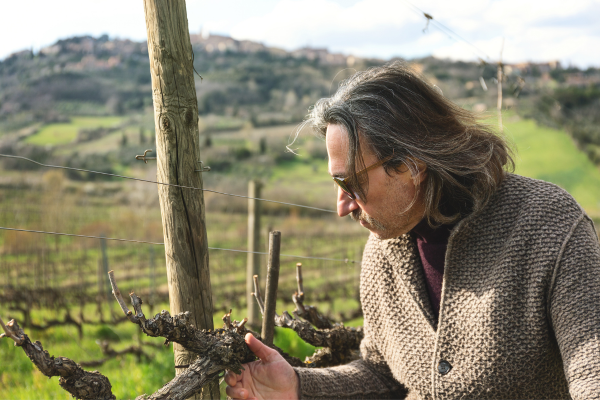
Michele Manelli out in the vineyard
Instagram: @salcheto
Facebook: @salcheto
Official website: salcheto.it
Images supplied by winery