
Le Clos de la Meslerie, Vouvray, Loire, France
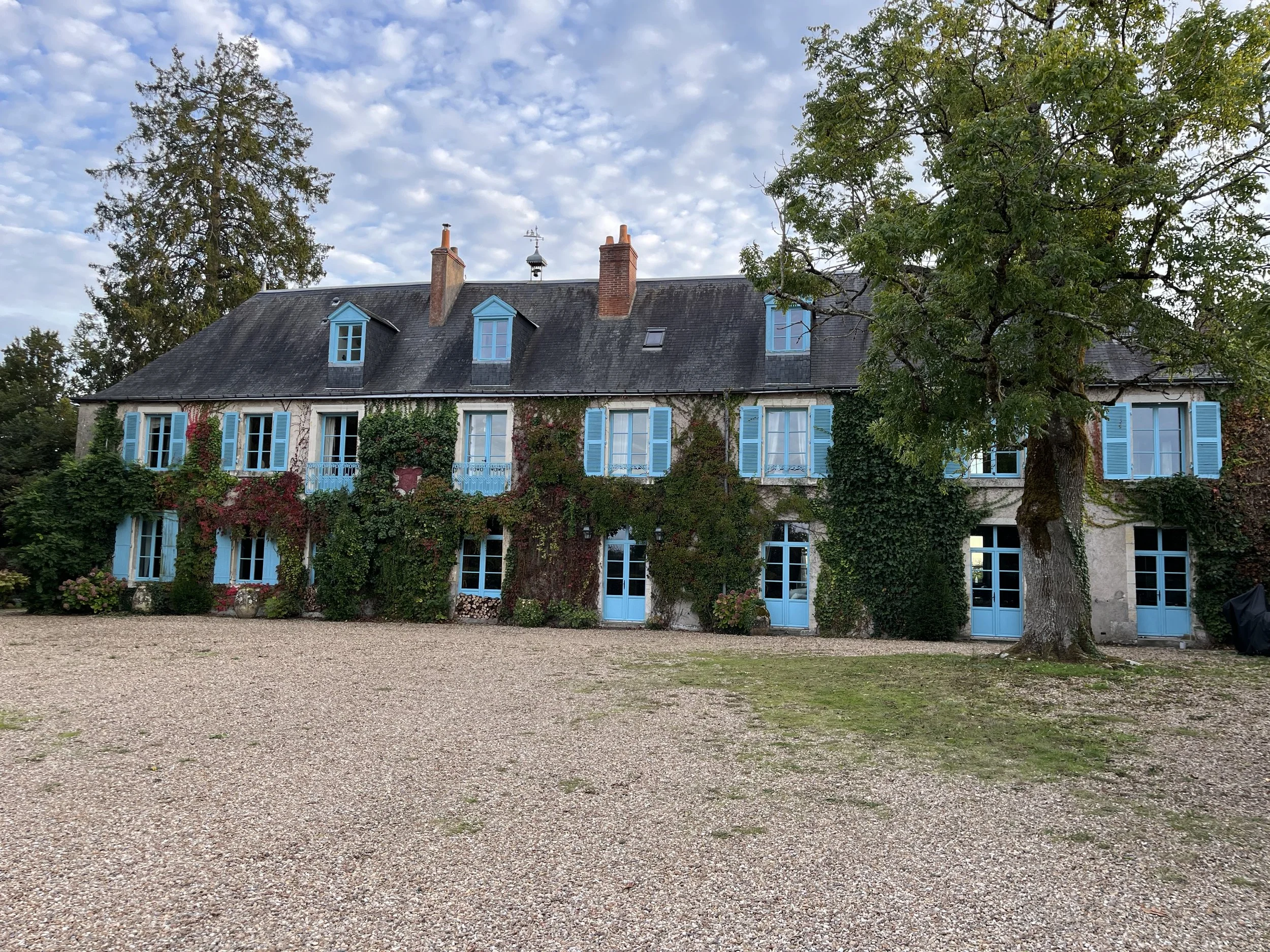
Clos de la Meslerie is a small wine estate in the Vouvray appellation of the Loire Valley, around 15 kilometres from Tours. The property dates from the early seventeenth century, and vines have been cultivated there for hundreds of years. Today, the estate’s vines range from around 20 to 60 years old, rooted in a place whose long viticultural history has become central to owner and winemaker Peter Hahn’s approach.
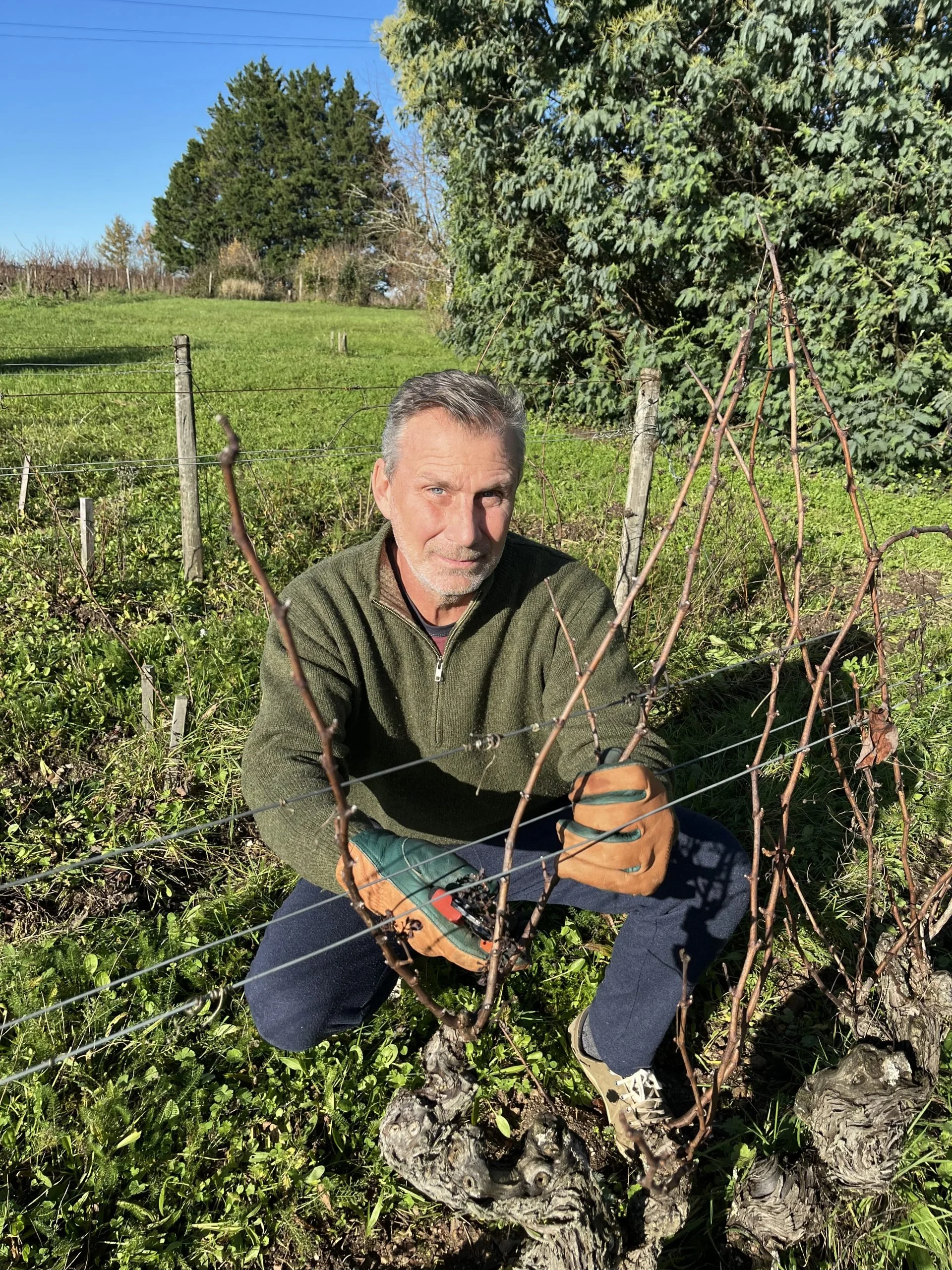
Winemaker Peter Hahn
Hahn arrived at Clos de la Meslerie by an unconventional route. After an early career in strategic consulting and finance, he bought the property in 2002, drawn by a long-standing desire to return to the land, work with his hands and create something tangible, individual and lasting. A lifelong wine lover, he saw in Vouvray an opportunity not simply to make wine, but to reconnect agriculture, craftsmanship and conviviality.
That philosophy is expressed through a simple conviction: wine should reflect place, time and people. Hahn rejects the standardisation that can accompany industrial winemaking and instead seeks to preserve the differences created by each growing season. Sun, rain, wind and biological activity change from year to year, while the soil, topography and vines remain. For Hahn, it is this interaction that gives natural wine its identity: a recognisable footprint of place, but never an identical wine from one vintage to the next.
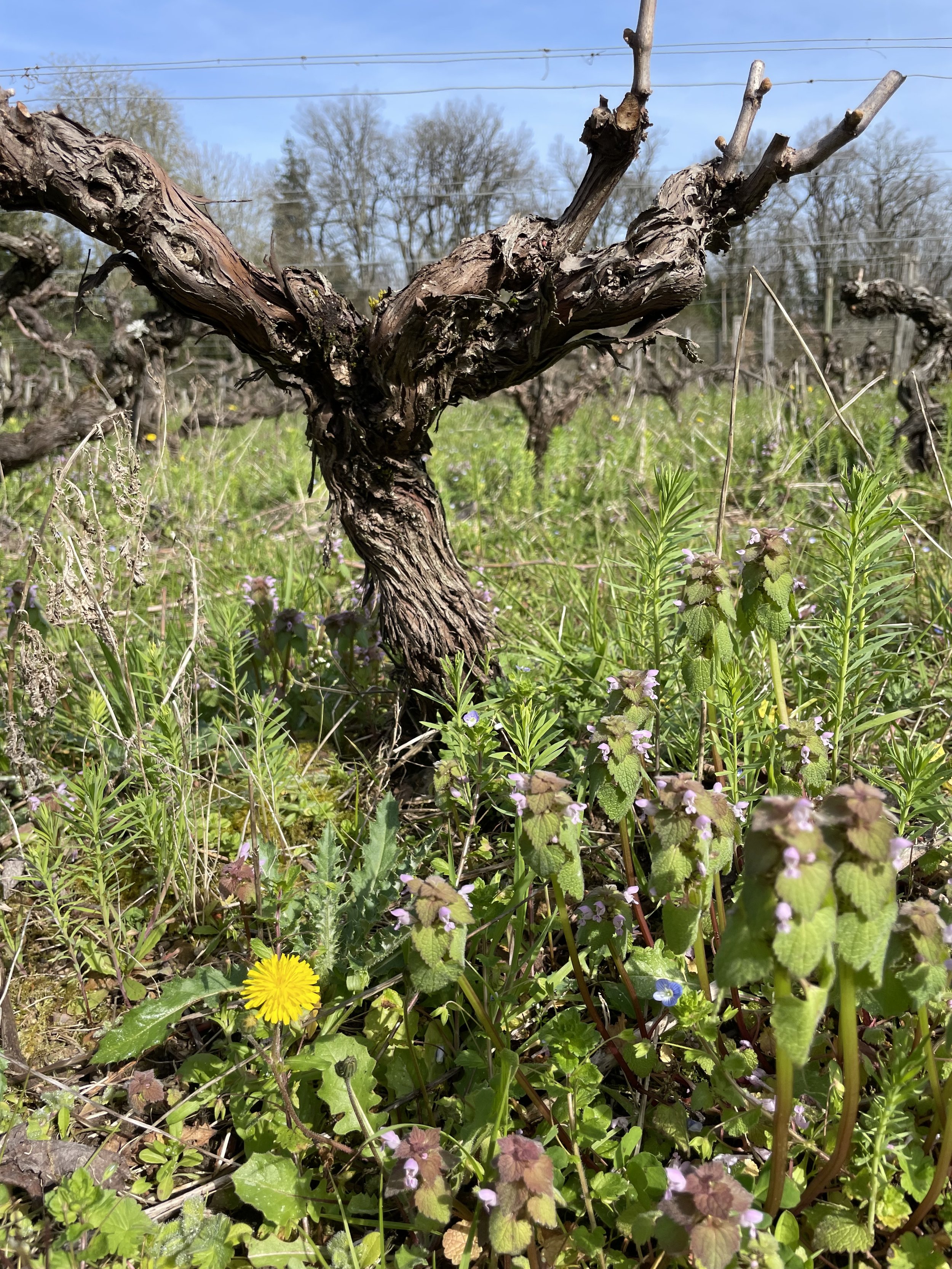
Native plants are encouraged to grow for soil health
The work in the vineyard is entirely focused on quality and biological health. Grapes are grown organically, without herbicides or pesticides, using natural compost and organic fertilisers. The soils beneath the rows are ploughed several times a year to keep them aerated and biologically active, while native grasses are planted between rows to reduce erosion and encourage a more self-sufficient ecosystem. De-budding, de-shooting, leaf-thinning and, where necessary, bunch-thinning are all carried out by hand, limiting yields and concentrating the vine’s energy into fewer, healthier bunches.
Harvest is equally exacting. Grapes are hand-picked, with rigorous selection of only the ripest and healthiest bunches. Picking takes place during the coolest hours of the day, and fruit is placed in small baskets and brought to the press within an hour. The aim is to keep berries intact, limiting oxidation and fungal risk before pressing. These practices result in very low yields and correspondingly small production.
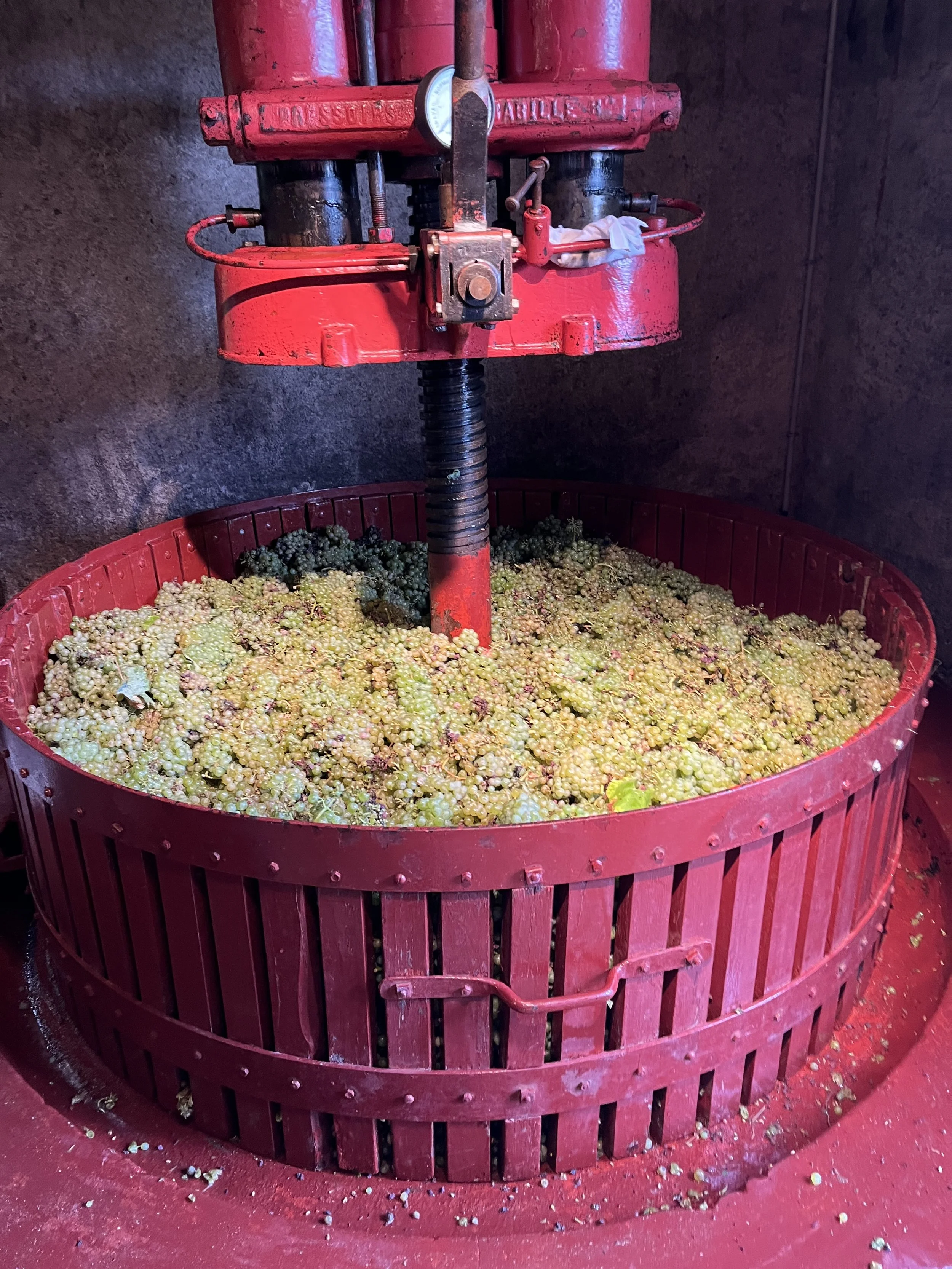
The winery’s restored basket press
One of the most distinctive features of Clos de la Meslerie is its restored historic press. During renovation of the old chai, Hahn discovered two presses dating from roughly 50 to 100 years ago. Initially intended as decorative relics, one was painstakingly restored after encouragement from Vouvray winemaker Vincent Carême and returned to use for the 2008 harvest. Its limitations are now part of its value: the press works slowly and gently and cannot generate the high pressures of modern equipment, meaning the estate effectively takes only the first press juice. The result is less juice, but, in Hahn’s view, the finest part of the grapes.
In the cellar, the same philosophy of restraint continues. Fermentations rely only on naturally occurring yeasts. The wine is barrel-fermented and aged for a year or more, with the lees stirred by hand several times a month. There is no fining or cold treatment, new oak is used sparingly to avoid masking the character of the fruit, and sulfites are kept to the absolute minimum required to protect the wine.
For Hahn, Clos de la Meslerie is ultimately about more than wine. It is an ecosystem, a community and a way of living in which people, place and farming remain inseparable. The estate’s organic orchard, vegetable garden, free-range chickens and beehives all form part of the same philosophy. At its heart is the belief that wine is made to be shared, carrying a little of this small Loire Valley estate into homes, restaurants and conversations far beyond it. That human connection remains the measure of its success.
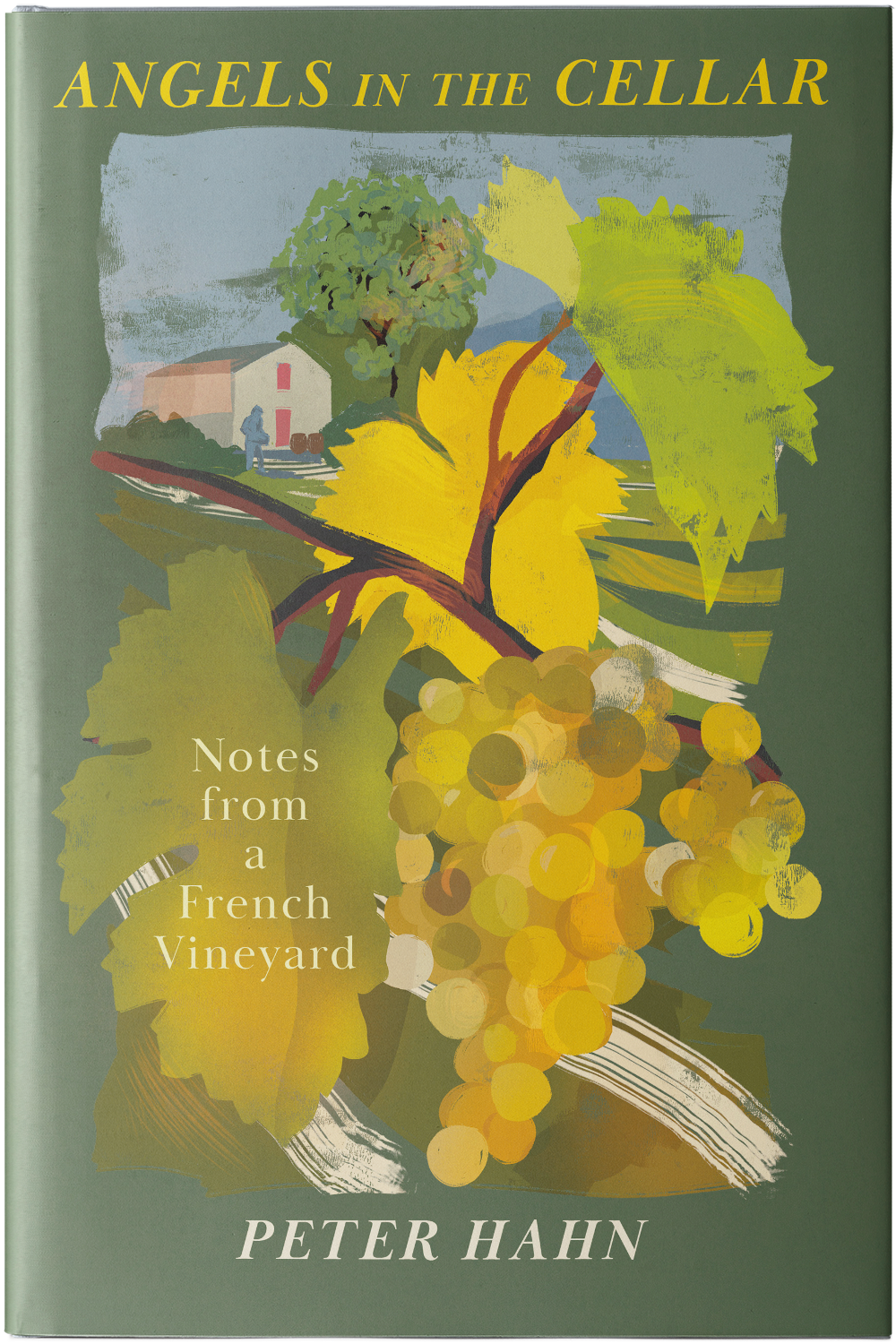
Peter Hahn is also the author of Angels in the Cellar, a poetic account of a year at Clos de la Meslerie that explores vineyard life, regenerative farming, community and the deeper relationship between wine, nature and the land.
Website: lameslerie.com