
Dr. Roy Urvieta, from the old vines of La Consulta to the world
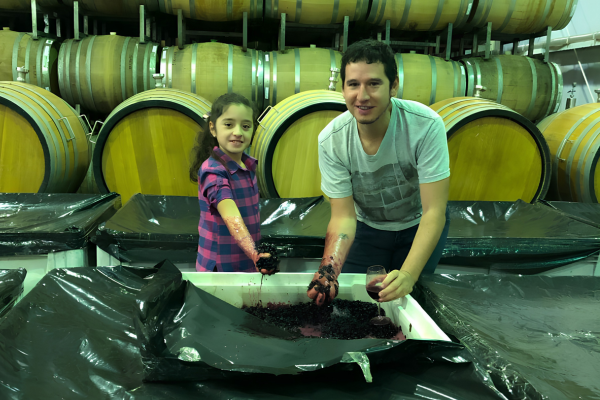
Roy and Ari (his daughter) reviewing the fermentation process. 2018 harvest
Doctor of Agronomy, Dr. Roy Urvieta, has worked at the Catena Institute of Wine since 2008. He explains more about his research into the massal selection of Malbec, and why he believes the preservation of old wines is essential to the future of wine.
My name is Roy Urvieta. I grew up in La Consulta, in the Uco Valley of Mendoza, where I still live today. My family is from San Carlos, and most of my life has been connected, in one way or another, to vineyards, growers, and wine.
I have worked with the Catena family since I was 18 years old. I joined the Catena Institute of Wine in 2008 and later began working closely with Laura Catena on her personal projects, Domaine Nico —extreme high-altitude Pinot Noir— and Luca Wines —a wine that honors Mendoza’s historic old vines. I feel especially connected to Luca Wines, because many of the vineyards come from small growers and old family vineyards in the Uco Valley, including La Consulta, where I grew up.
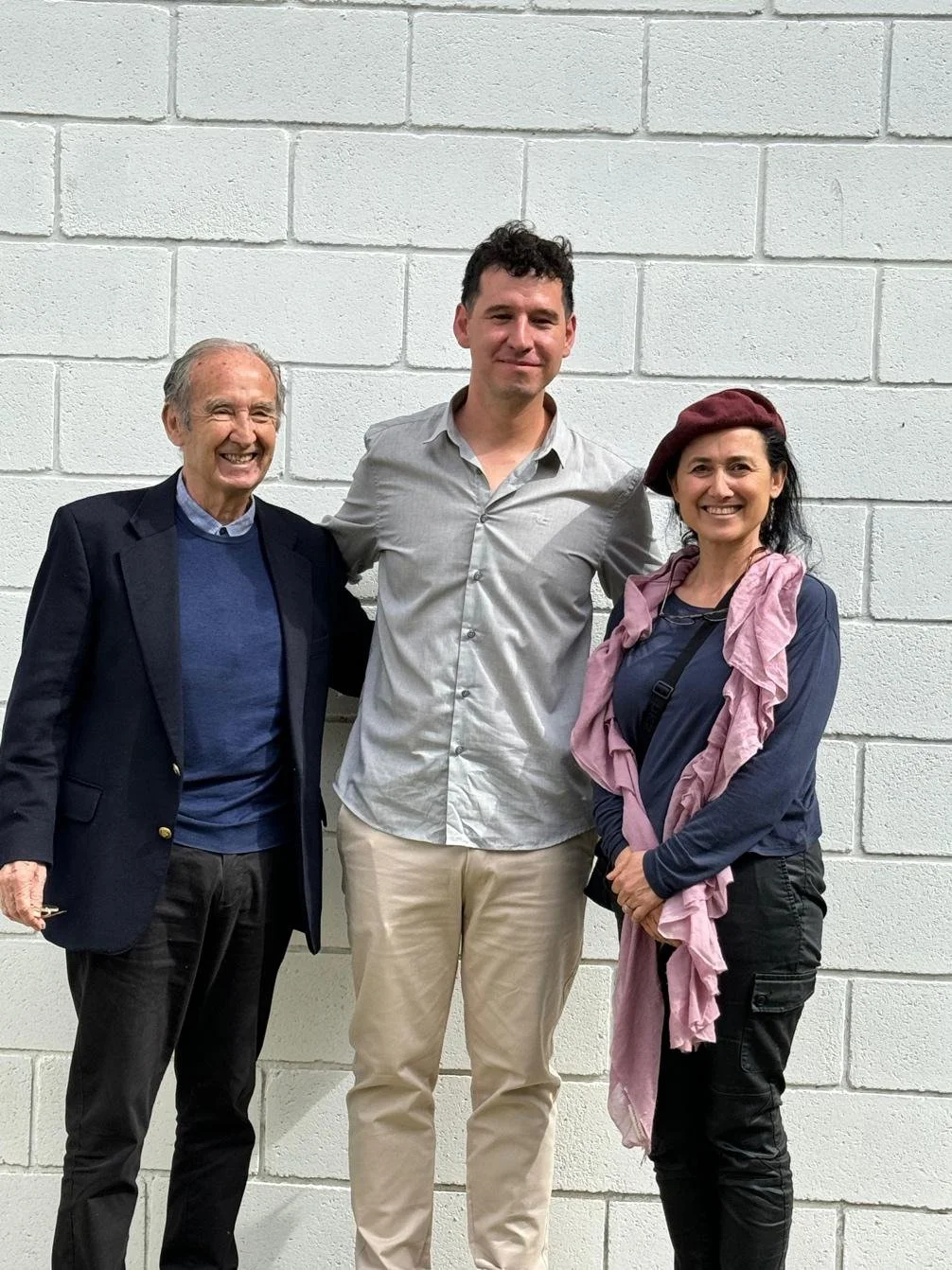
Dr. Nicolás Catena, Dr. Laura Catena, and Dr. Roy Urvieta at Roy’s PhD graduation from the School of Agronomy , University of Buenos Aires.
Long before I imagined I would end up working in wine research and winemaking myself, I came across wines like the ones from Paganotto, a regional grower with a winemaking legacy in Mendoza since 1884, which had a great impact on me. Those wines helped shape the way I understand Malbec and the identity of the Uco Valley and have shown me the potential and value of old vines. Preserving them is essential to the future of wine.
Old vine preservation is at the heart of our wines. Laura Catena says that “old vines express terroir more deeply than young ones, thanks to ancient root systems and microbial civilizations living within the soil and mycelia.” In Argentina, old vineyards are planted by massale selection, and this provides a kind of diversity in ripening that makes wines more interesting and complex, while also making the vines more resilient to climate change. A great example of this is Catena Zapata Malbec Argentino, which comes from the Catena family’s centenary vineyard Angélica, planted between 1922 and 1924, a wine that represents the beauty of aged Malbec from old, massale-selected, ungrafted vines. It makes me think about the culture, nature, history, and the family spirit behind it.
I am a Doctor in Agronomy, and much of my work has focused on understanding Malbec terroir through sensory science and viticulture research. Over the years, I have worked on different studies related to wine typicity, regional identity, and aging potential, trying to better understand why some wines evolve differently over time and how experts from different cultures perceive that evolution.

Laura Catena and Roy in Oregon’s Pinot Noir Country waiting for someone to give them a ride.
Today, one of the projects I am most excited about is co-directing a doctoral thesis focused on understanding different massale selections of Malbec in Argentina.
Even after years of working across research, wineries, and universities, I still feel the happiest when standing in a vineyard in La Consulta, talking with growers and tasting wines that speak honestly of their origin.
I will be presenting Luca Malbec and Catena Zapata Malbec Argentino at the OVC Heritage Showcase in London on the 8th June 2026. I would love to see you there!