
By Dimitris Mansolas
Across the Paros Farming Community, the historic dry-farmed, low-trained “aplotaries”—a traditional vine architecture uniquely adapted to the island’s arid, wind-exposed landscape—are entering a new phase of regeneration. I am leading a comprehensive two-year programme to restore vine vigour, optimise physiological balance, and secure long-term resilience in the face of increasingly challenging climatic conditions. The three key pillars of this Strategic Viticultural Plan aimed at preserving these unique, historic vines are explained below.
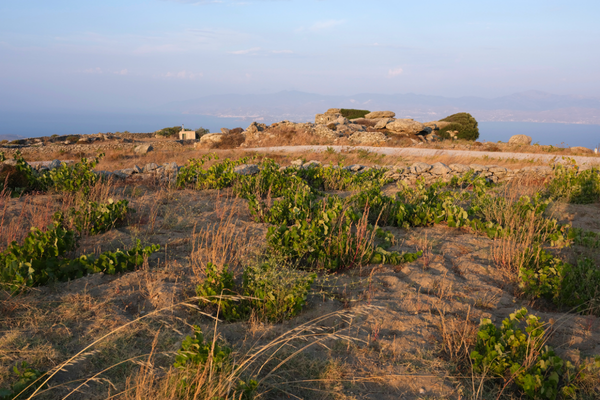
The Paros Farming Community manages 8 hectares of old-vine vineyards, with an average vine age of 75–85 years, cultivated using the traditional aplotaries system.
The initiative focuses on revitalising plant physiology and biochemistry, to ensure that these old vines continue to express the authenticity and precision that define the viticultural heritage of the Greek island of Paros.
1. Soil Health & Basal Nutrition
A multilayered soil improvement strategy is being implemented to rebuild organic matter, enhance nutrient availability, and improve water-holding capacity—critical factors for dry-farmed vineyards.
This involves:
The application of compost to increase soil organic matter and strengthen the clay–humus complex. This will improve soil structure, nutrient adsorption by the root system, and microporosity—key to maintaining a stable annual water potential in low rainfall environments.
Targeted micronutrient enrichment, with emphasis on boron, essential for optimal flowering and fruit set.
The incorporation of hydrophilic rock minerals capable of absorbing several times their weight in water. These act as natural reservoirs, capturing scarce winter rainfall and gradually releasing moisture during the critical months of June and July.
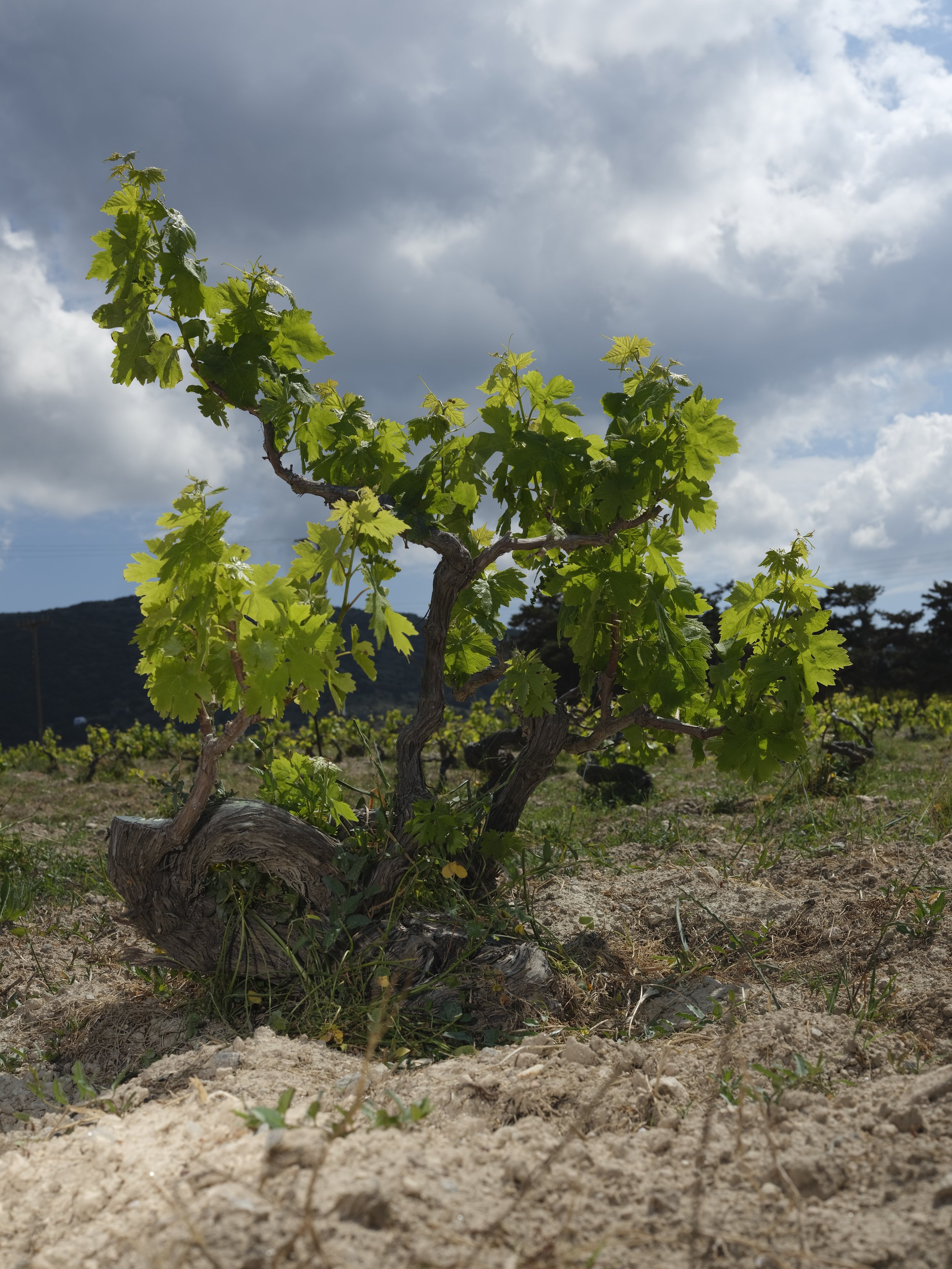
Soil improvement is vital to ensure the future viability of these historic, dry-farmed vineyards in the face of climate change.
2. Foliar Nutrition & Heat Stress Mitigation
To support balanced vegetative growth and protect the vines from prolonged heat events, a structured programme of foliar applications is being deployed.
Annual foliar sprays with organic amino acids and seaweed extracts to enhance stress tolerance and maintain steady shoot development under high temperatures.
Kaolin application on the fruiting zone to reflect solar radiation and reduce berry temperature, safeguarding aromatic precursors and phenolic integrity.
3. Precision Canopy Management
Given the absence of irrigation and the limited water reserves available to the vines, canopy architecture must be tightly controlled to balance transpiration, fruit exposure, and bud fertility for the following season. This involves:
Two years of strict pruning to reset vine balance and encourage wood renewal.
Rigorous shoot-thinning to optimise shoot density and reduce competition for limited resources.
Pre-flowering leaf removal to improve microclimate and reduce disease pressure.
Post-flowering tipping to stabilise vegetative growth and direct energy towards fruit development.
These interventions collectively ensure that the functional leaf area is precisely calibrated to the vineyard’s water budget, while also promoting the formation of well differentiated buds for next year’s crop.
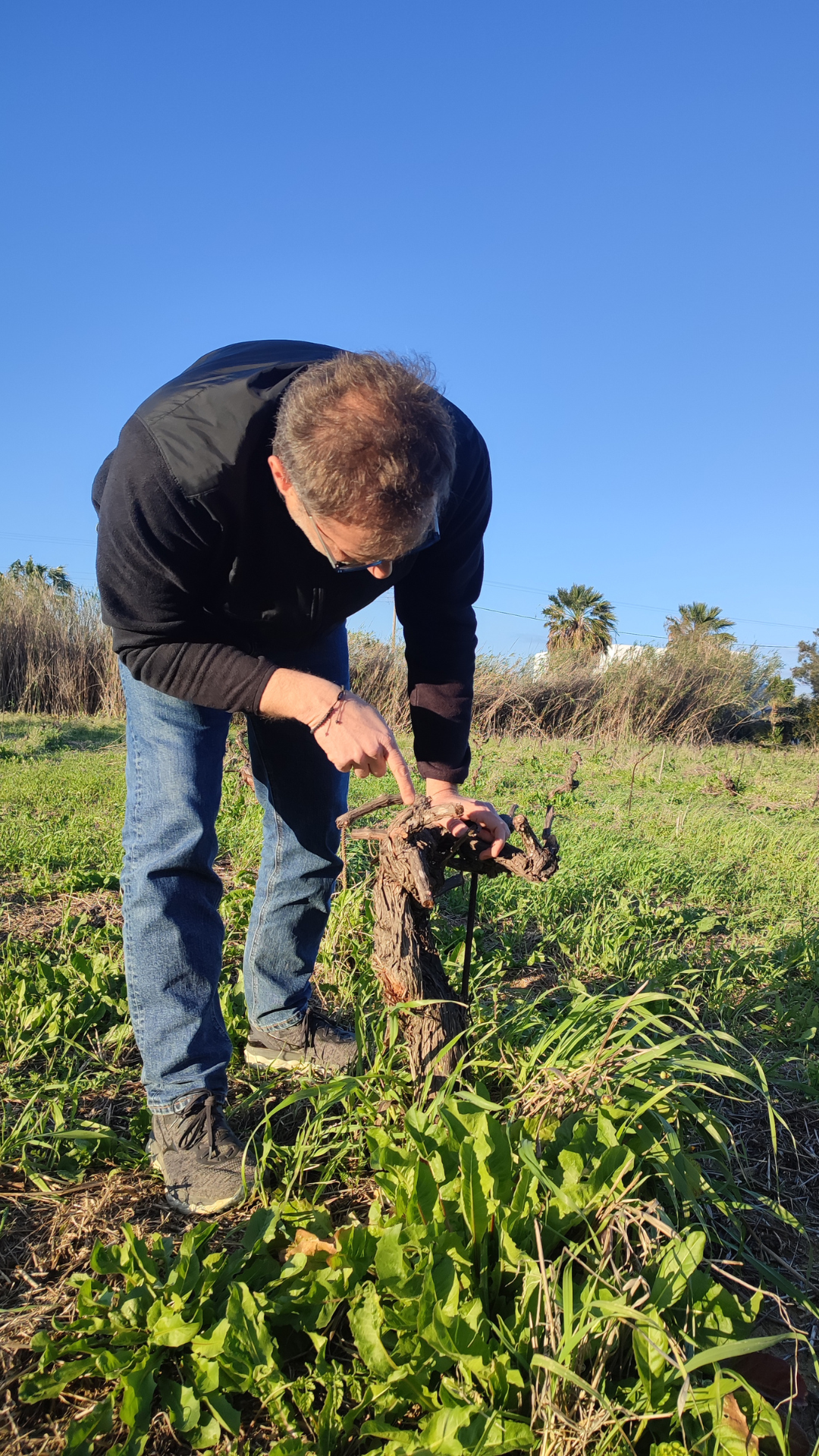
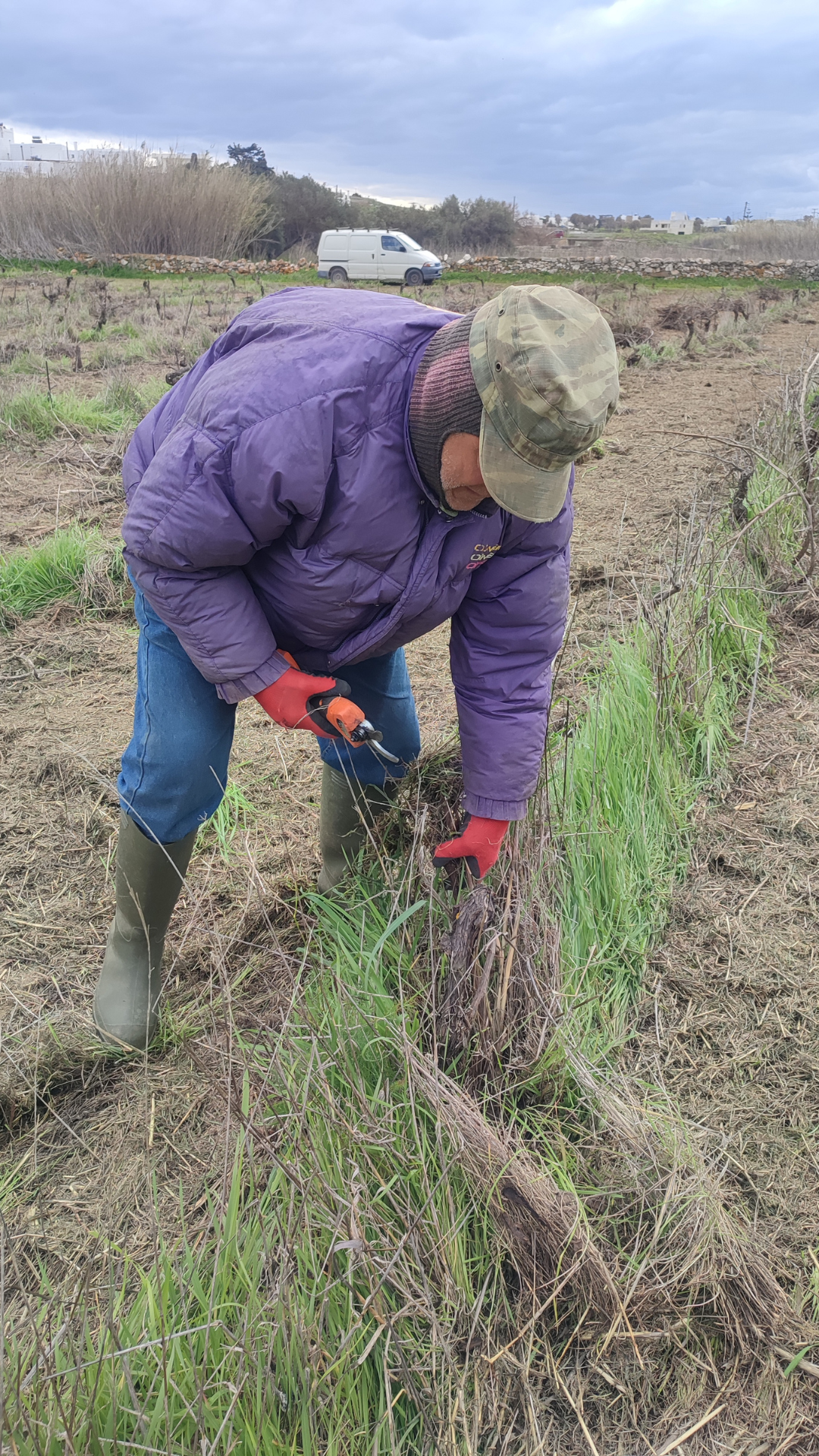
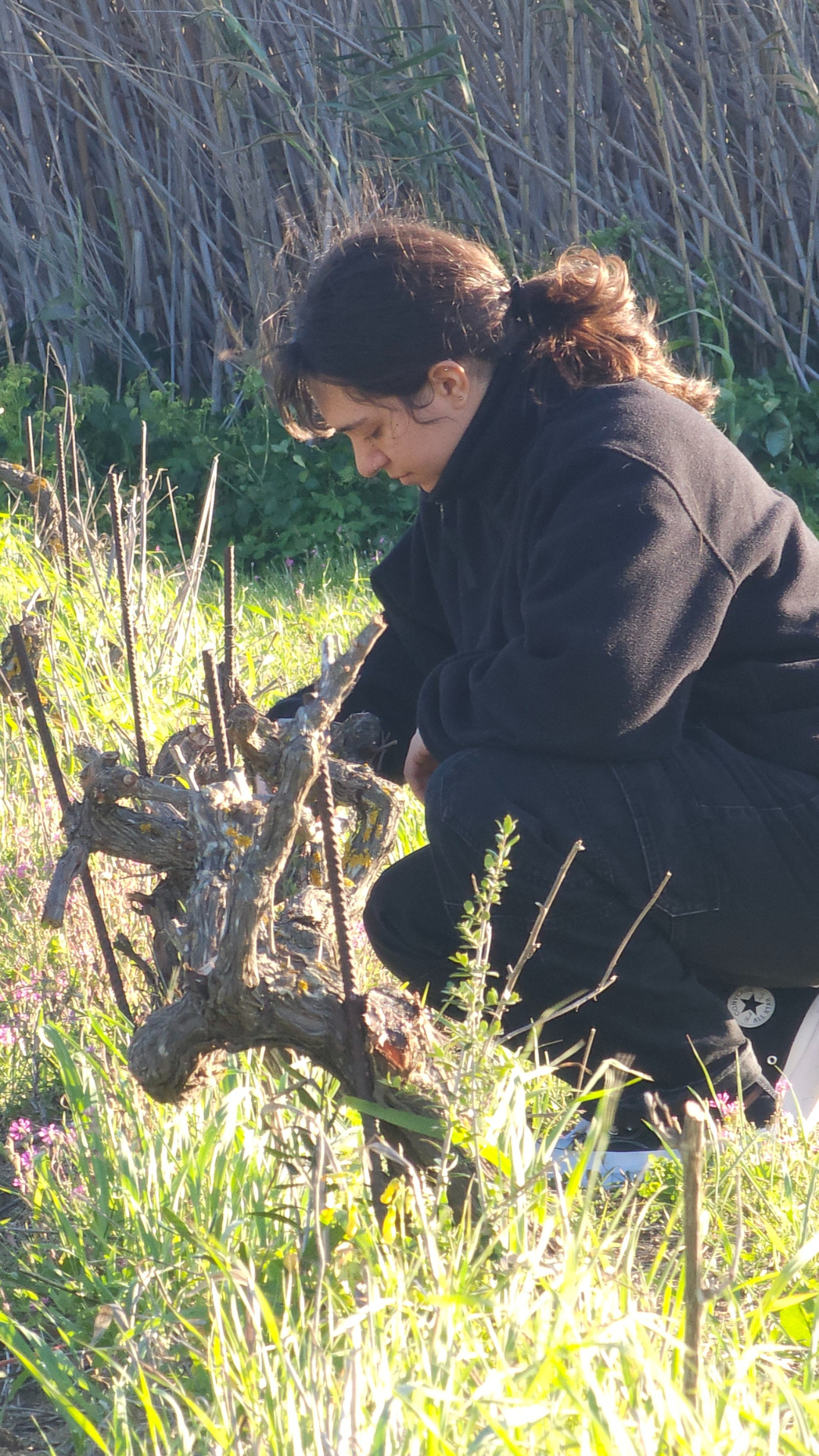
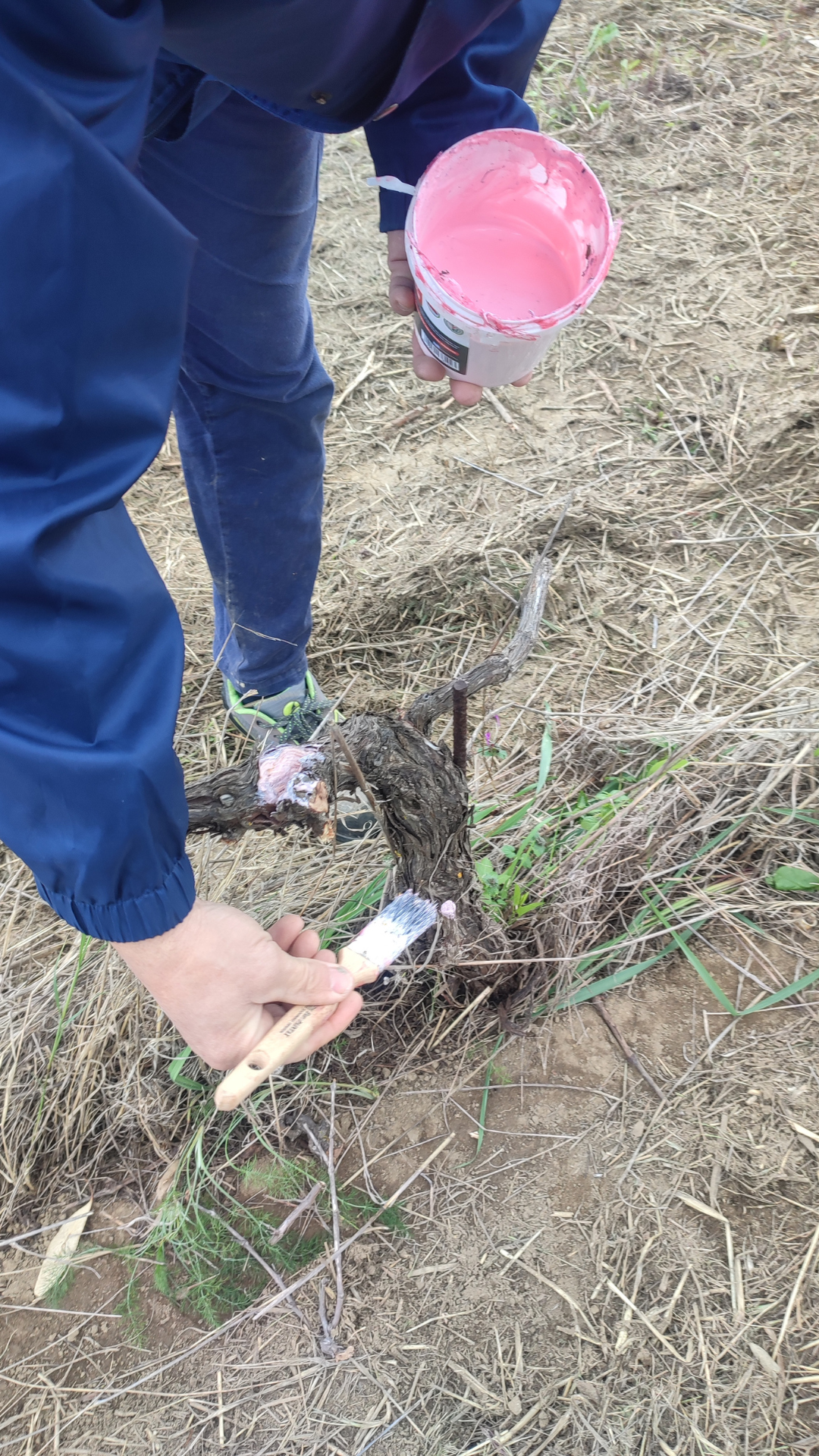
Vigorous shoot thinning and pruning is already underway.
For more info visit: www.seiradipfc.com