
Old Vines: Provenance, Storytelling and Wines that Sell
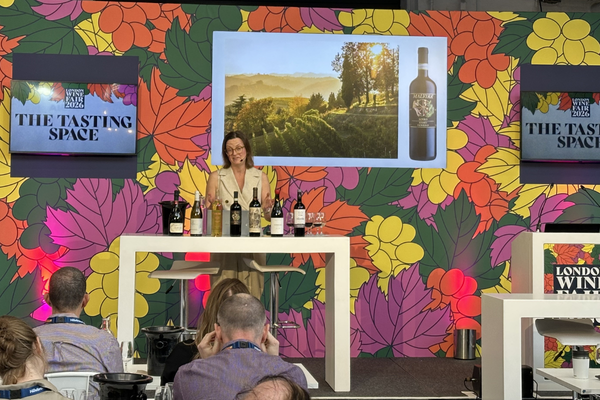
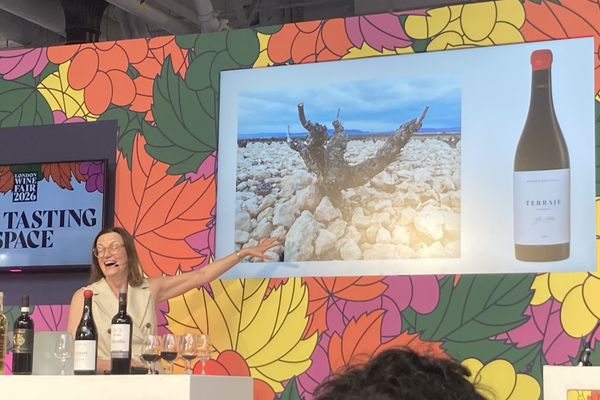
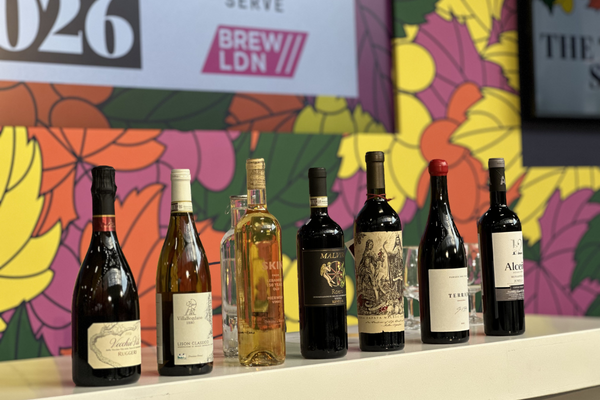
Inspired by entries from this year’s Old Vine Conference Photography Competition, Sarah Abbott MW presented a tasting of wines from remarkable old-vine vineyards worldwide at the London Wine Fair on Wednesday 20 May 2026.
From historic training systems to striking sites, these wines express place and the session explored how old-vine heritage and storytelling can deepen understanding, strengthen communication, and enhance their value in today’s market.
Regional Ambassador Anna Harris-Noble was in attendance and wrote up her notes from what was a very informative session.
Ruggeri Vecchie Vini Brut 2024, Valdobbiadene Prosecco Superiore DOCG, Italy
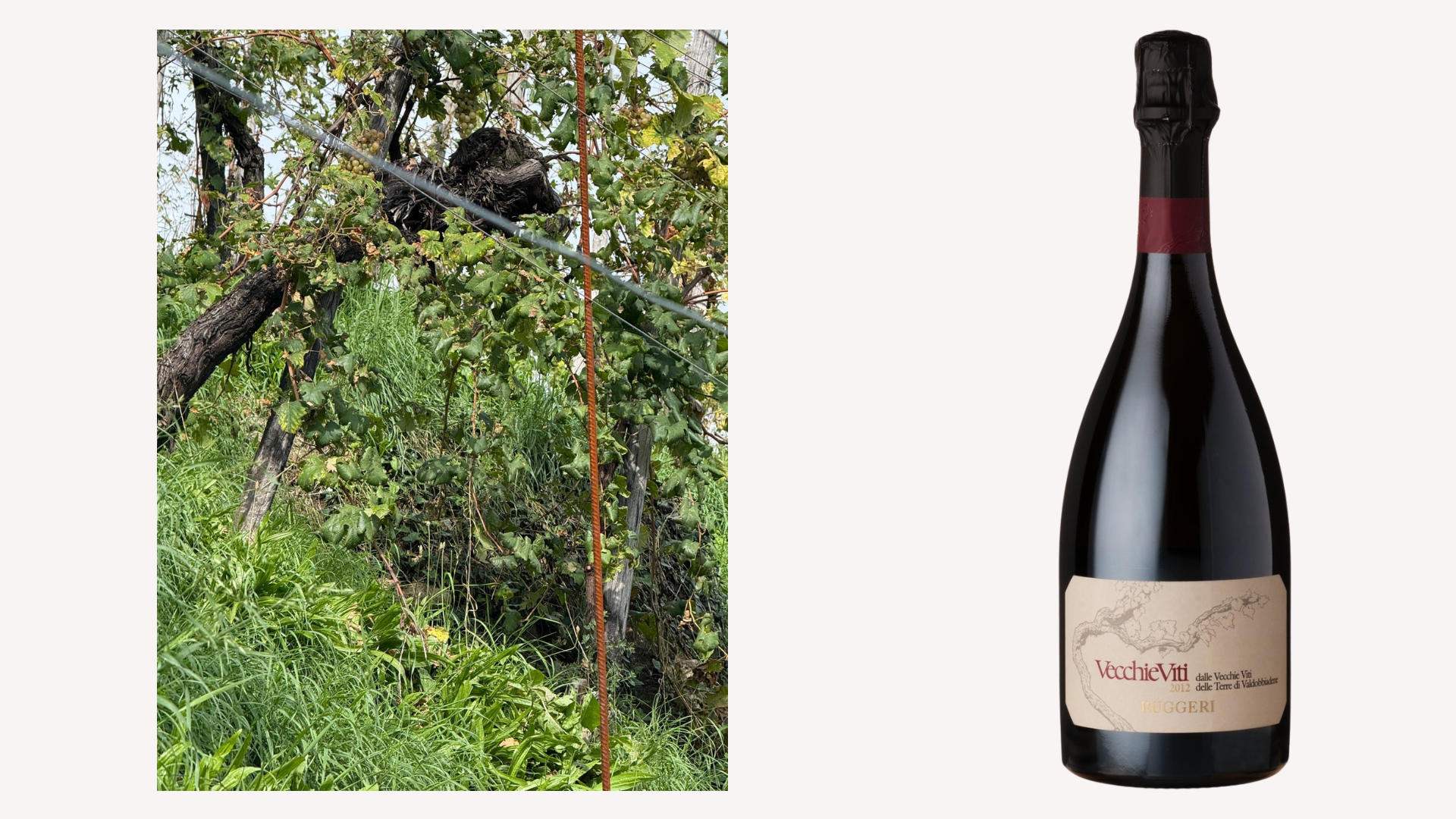
The tasting started with a Prosecco, a particularly interesting wine as the Old Vine or Vecchie Vini designation helps distinguish high quality wines in markets like the UK where Prosecco has become associated with volume fizz.
Valdobbiadene is the highest quality sub-zone within the hills of Conegliano e Valdobbiadene, which has been designated a UNESCO World Heritage Site. 60% of the wines from Valdobbiadene are currently drunk in Italy, but hopefully by raising awareness of their quality and style we can help more be diverted to the UK.
The hills of the area are very steep, with 60% slopes, but as there were no stones, grassy terraces were created instead, defining an area which is both extremely picturesque and hard to work, with each hectare requiring 600 hours of labour on average. 8-10 times as much as on the plains. £33 a bottle suddenly seems like great value.
In terms of the wine, which comes from vines aged 80-100 years of age, it shows that the difference between old vine and young vine Prosecco is on the palate. Alongside the typical fresh pear notes of Glera and creamy bubbles, there is depth, with a streak of chalky mineral acidity that structures and grounds the airy finish of what is a beautifully ethereal sparkling wine.
Villa Bogdano 1880 Lison Classico DOCG 2022, Veneto, Italy
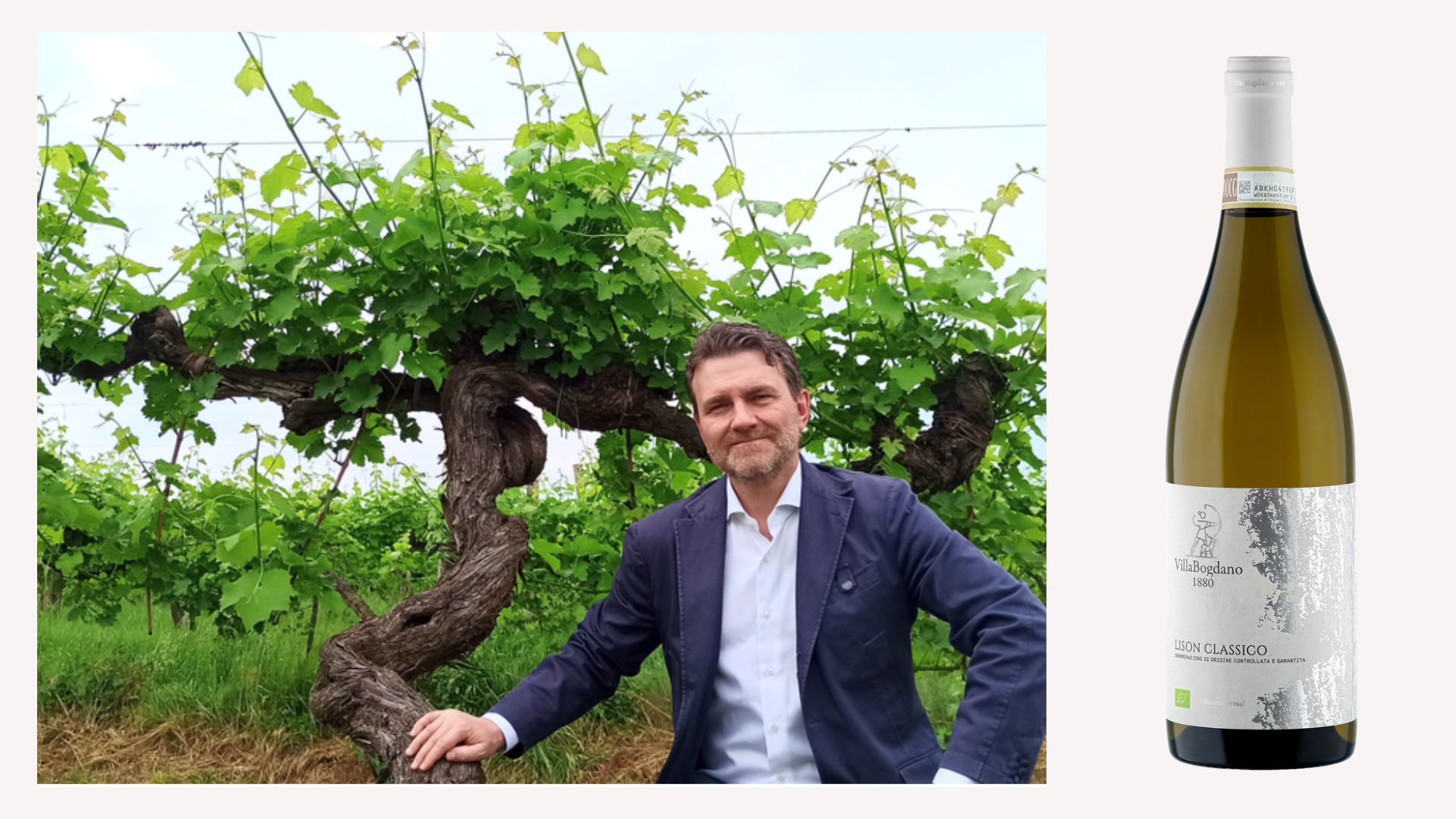
Lison is an area that has been under threat from the expansion of the wider Prosecco designation. The vineyard that went into this wine was going to be grubbed up to be replanted with Glera, but thanks to Domenico Veronese, a local businessman and passionate environmentalist, the Tocai Fruilano vines planted in 1943 were saved.
The Villa Bogdano 1880 Lison Classico shows that Veneto is not just about volume and cheap wine. This is a shy wine, which appears muted at first but gradually unfurls delicate notes of blossom and herbs. Notes of apple appear more clearly on the back palate with saline notes and what Sarah describes as “chalky resistance” and “steely power” appearing on the finish.
Domaine des Tourelles, Skin, 150 Year old Merweh Vines 2023, Bekaa Valley, Lebanon
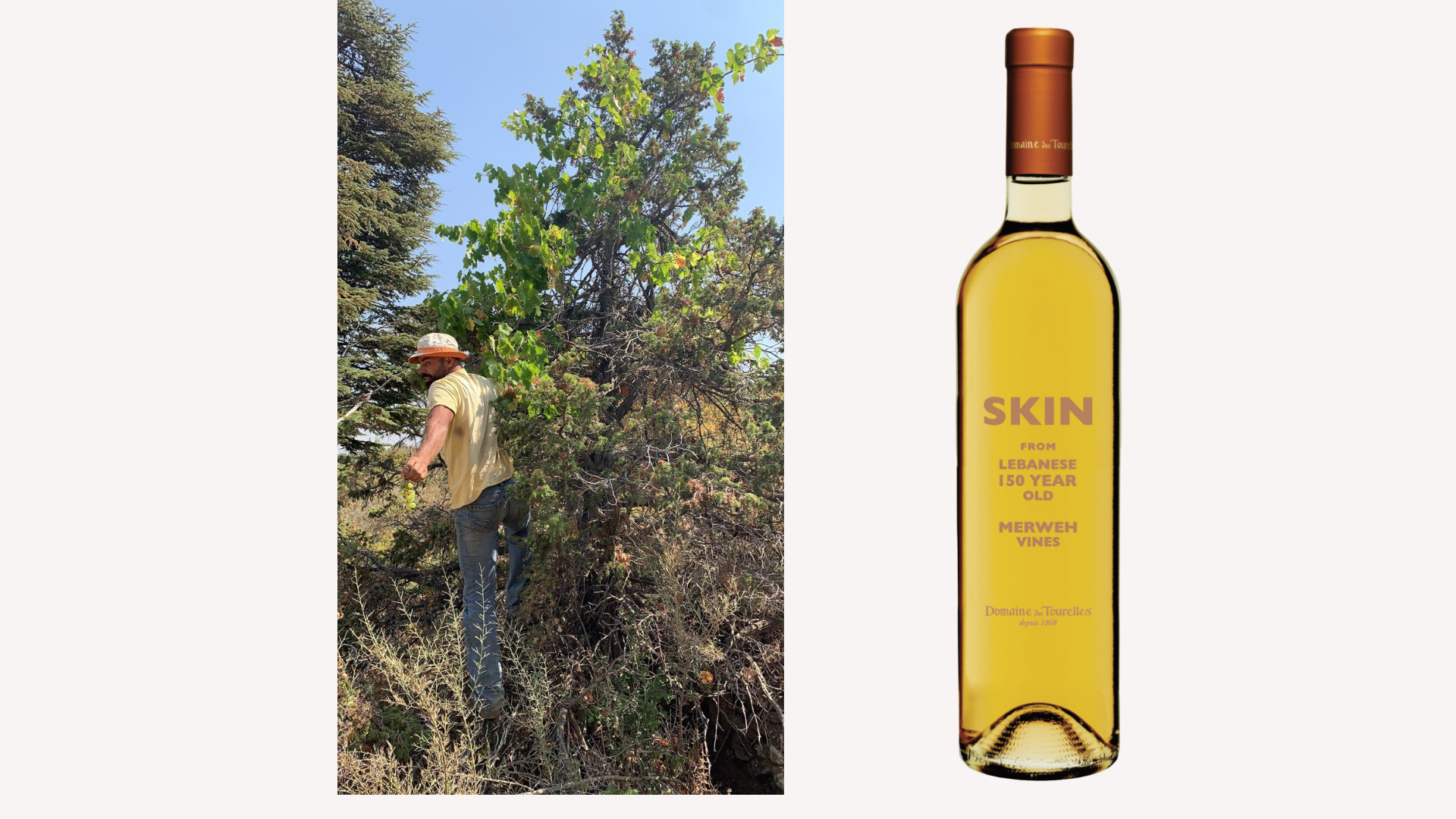
Made in one of the cradles of domesticated farming, the history of agriculture is reflected in this wine. The 150 year-old vineyard, located in this beautiful Bekaa Valley between the mountains and the sea, had been abandoned. Merweh is one of the most ancient varieties that can trace its lineage back to the Phoenicians and is particularly resistant, being well adapted to the climate of the Mediterranean.
After recovering the vines, the Domaine des Tourelles winery worked with a Georgian winemaker to make this orange wine. It has a savoury nose and is a textured wine with tannic grip and a lovely bitter pith element, like green almond skin.
Malvira, Roero Riserva Renesio 2011, Roero, Piedmont, Italy
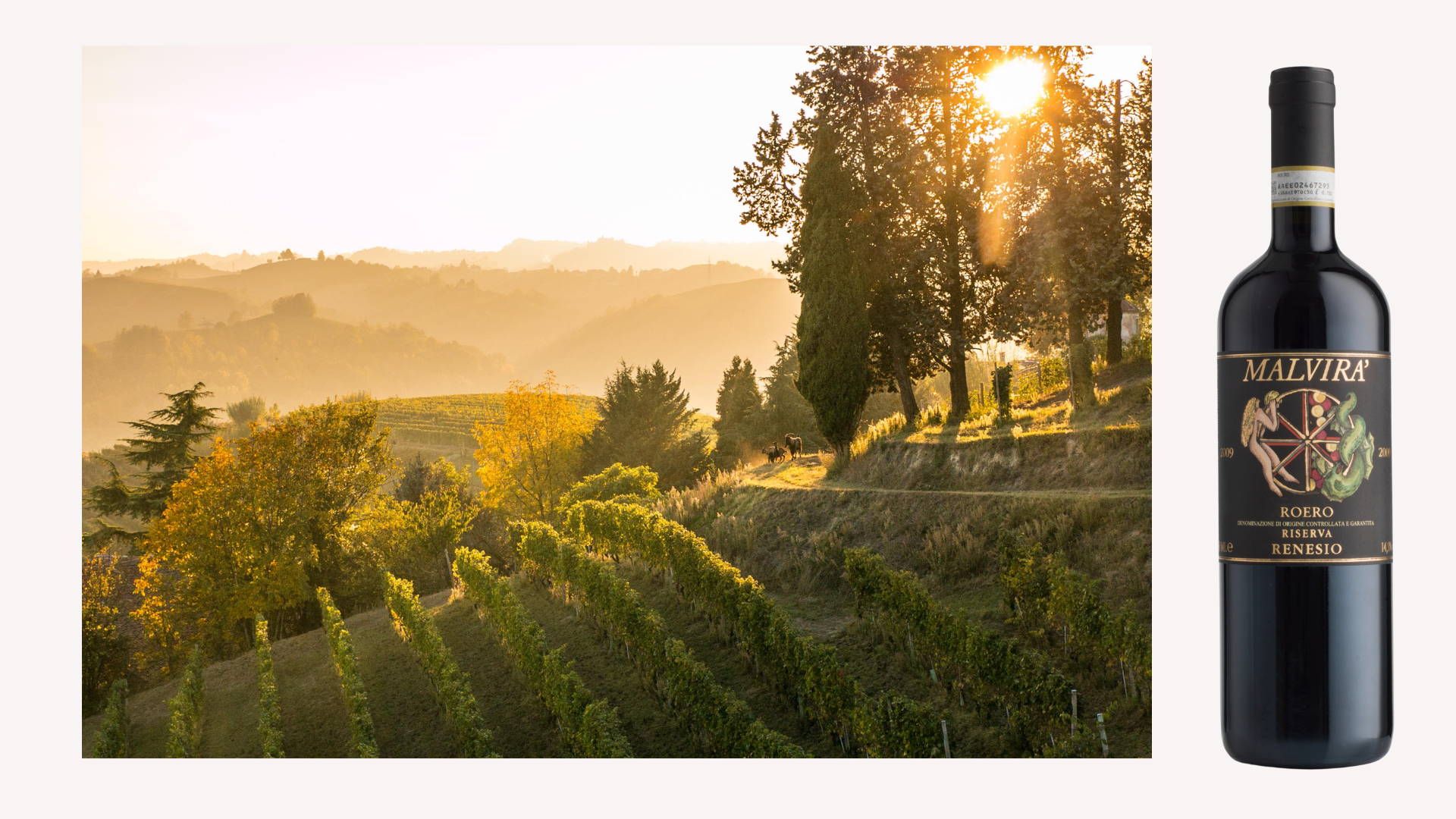
The Nebbiolo grape is particularly susceptible to epigenetic variation with DNA changing in response to repeated patterns such as drought. The family-owned Malvirà estate works with 50-year old vines from sandy vineyards to create a wine with a unique texture that Sarah described as “sand running through your fingers”. I discerned the classic Nebbiolo aromas of dried leaves, rose petals and stewed cherries, and after fifteen years of ageing, a soft, flowing and sinuous texture. A younger drinking alternative to Barolo at a more affordable price.
Catena Zapata, Malbec Argentino 2022, Mendoza, Argentina
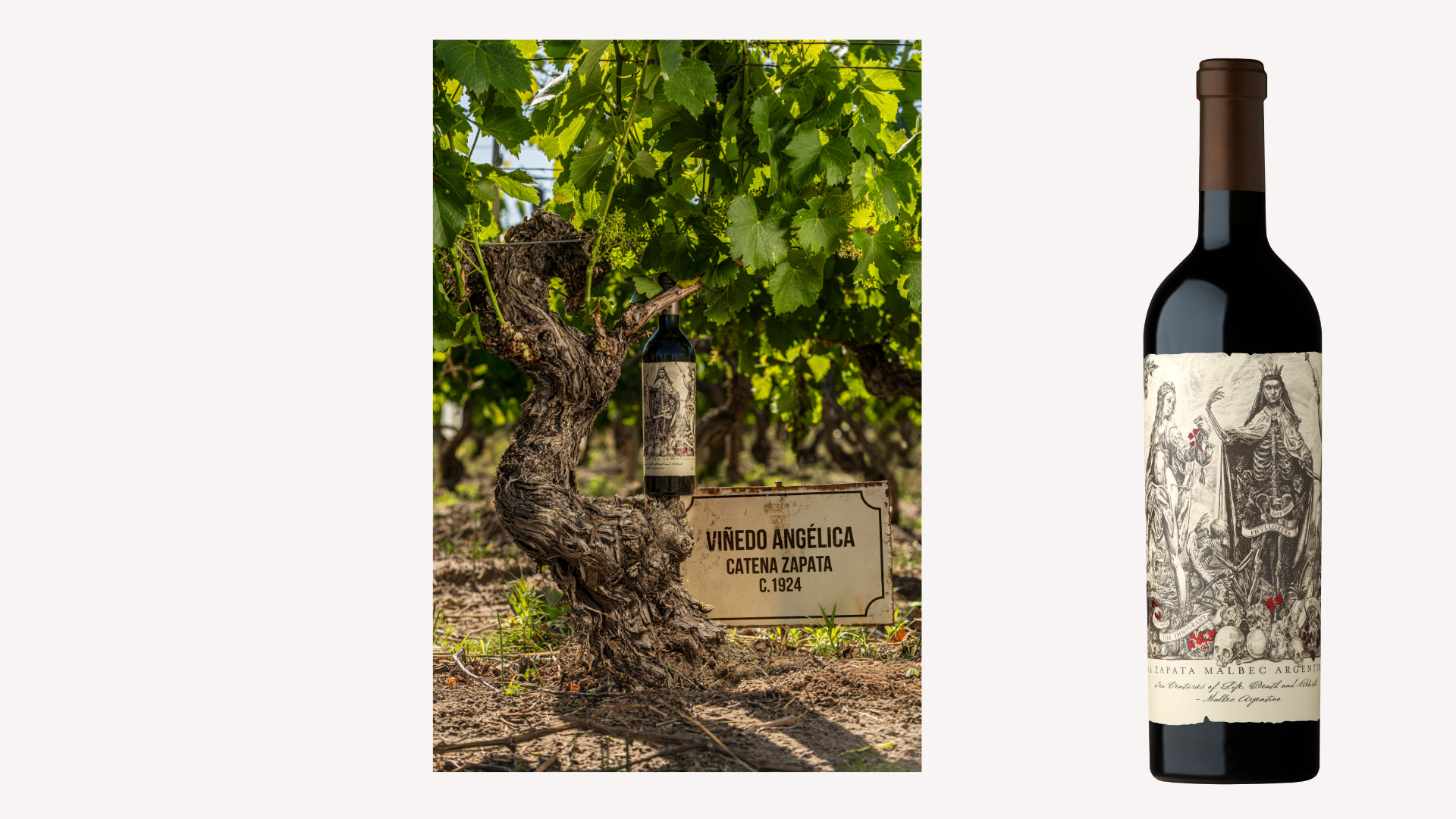
This wine comes from the Angelica vineyard named after the grandmother of the fourth generation currently running the Catena Zapata Winery, planted in 1920, and the Nicasia vineyard planted 30 years ago. Catena Zapata Malbec Argentino is a unique expression of ungrafted Malbec vines, propagated through massal selection.
The iconic label tells the story of Malbec and its journey to Argentina from France, where it used to make up 20-25% of the Bordeaux blend before phylloxera hit.
Savoury herbs appear over elegant, brooding black fruit. It shows concentration on the mid-palate and a sanguine brightness before tapering to a resistant finish. A wine that never fails to please.
Parajes del Valle, Terraje Monastrell 2022, DO Jumilla, Spain
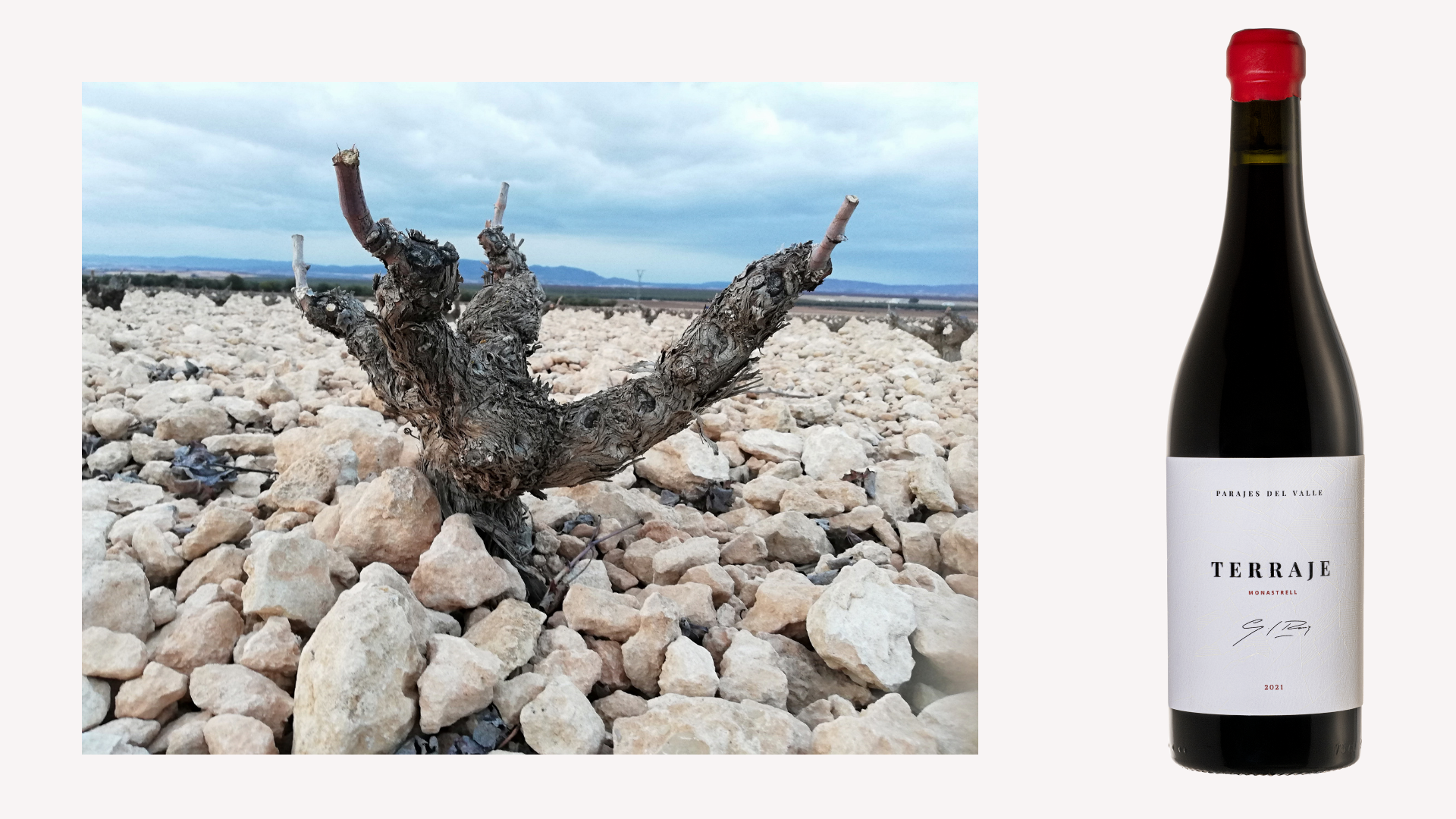
The tasting ended with two old vine Monastrell wines from DO Jumilla made in very different styles. Jumilla is an incredible landscape with the highest proportion of ungrafted vines in Europe. Its rocky soil with high active limestone content means that grafted vines often struggle to survive, not such an issue as the phylloxera louse can’t either!
Monastrell was once synonymous with powerful, high-alcohol blockbuster wines, but modern winemaking has revealed a more refined side to the variety, producing wines of surprising delicacy, such as this example, which layers wild herbs over dried cranberry and prune notes with a savoury, sappy acidity and a flick of tannin on the finish. Sarah described it as showing “concentration but with lifted intensity.”
Alceño 12 Old Vines Monastrell 2022, DO Jumilla, Spain
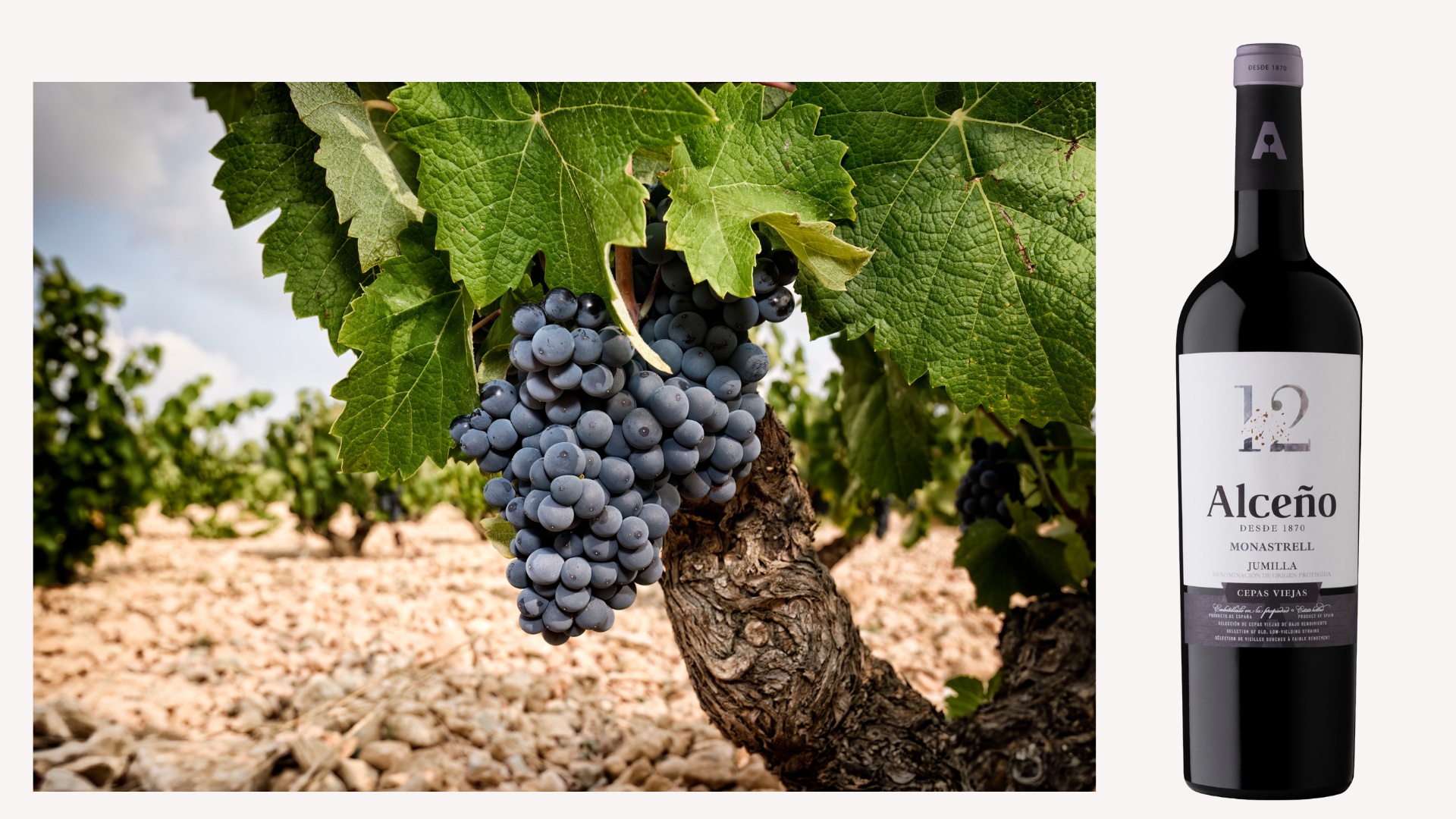
From the first winery to be established in the region in 1870, this is a more classic style of Monastrell, with depth and concentration. Fermented and aged in French and American oak which Sarah describes as “holding the fruit within its frame”, this 14.5% wine combines bold red fruit with vanilla oak. It comes from ungrafted Monastrell vines planted in the early 1980s.
Like many of the wines in the tasting, one of the key themes that came through from the wines of Jumilla is how marketing old vines as a separate category and using heritage as a storytelling device can help reframe the narrative. This is of particular value in regions that have been known for making large volume wines that have not received the recognition - or the prices - that they deserve in the past. By showing the hard work that goes into maintaining old vine parcels, as well as the beauty of the agricultural landscapes that they come from, we can help ensure their future viability and survival.