
Vini Brumat, Friuli Venezia Giulia, Italy

Image: Merlot vines planted in 1970 and 1980, in the San Zuan vineyard, Vini Brumat

Vini Brumat: Preserving Heritage Through Old Vines
Vini Brumat, a boutique estate in the Friuli Isonzo DOC, produces just 6,000 bottles annually, focusing on Friulano, Malvasia Istriana, and Merlot. Anchored by the Sot la Mont vineyard, the estate celebrates its old Friulano vines, which represent the soul of the region, nestled beneath the Colle di Medea and the Ara Pacis Mundi monument. These vines, alongside Malvasia Istriana—a blend of old and younger vines—are integral to the estate’s philosophy, rooted in preserving viticultural history and embracing sustainable practices.
The Friuli Isonzo DOC is defined by its terroir—a delicate balance of man, vine, climate, and soil. The region’s soils, shaped by centuries of river movement and glacial melt from the Julian Alps, are rich with gravel and ancient alluvial deposits. Combined with the unique climatic interplay of the cool Bora winds and Mediterranean breezes, these conditions allow grapes to ripen slowly, enhancing their complexity. High-density planting (3,500–4,000 vines per hectare) and a focus on sustainability result in smaller yields with exceptional concentration and character.
At the heart of Vini Brumat’s philosophy lies its old vines, the oldest of which were planted between 1970 and 1975. These old vines are living archives of history and resilience. Their deep root systems reach into the earth to extract unique minerals, contributing to the complexity and richness of the wines. Red varieties show heightened levels of anthocyanins and flavonoids, while white varieties produce smaller, more concentrated berries with intensified sugars and aromas. The resulting wines are profound reflections of the land’s unique characteristics, offering both depth and heritage in every glass.
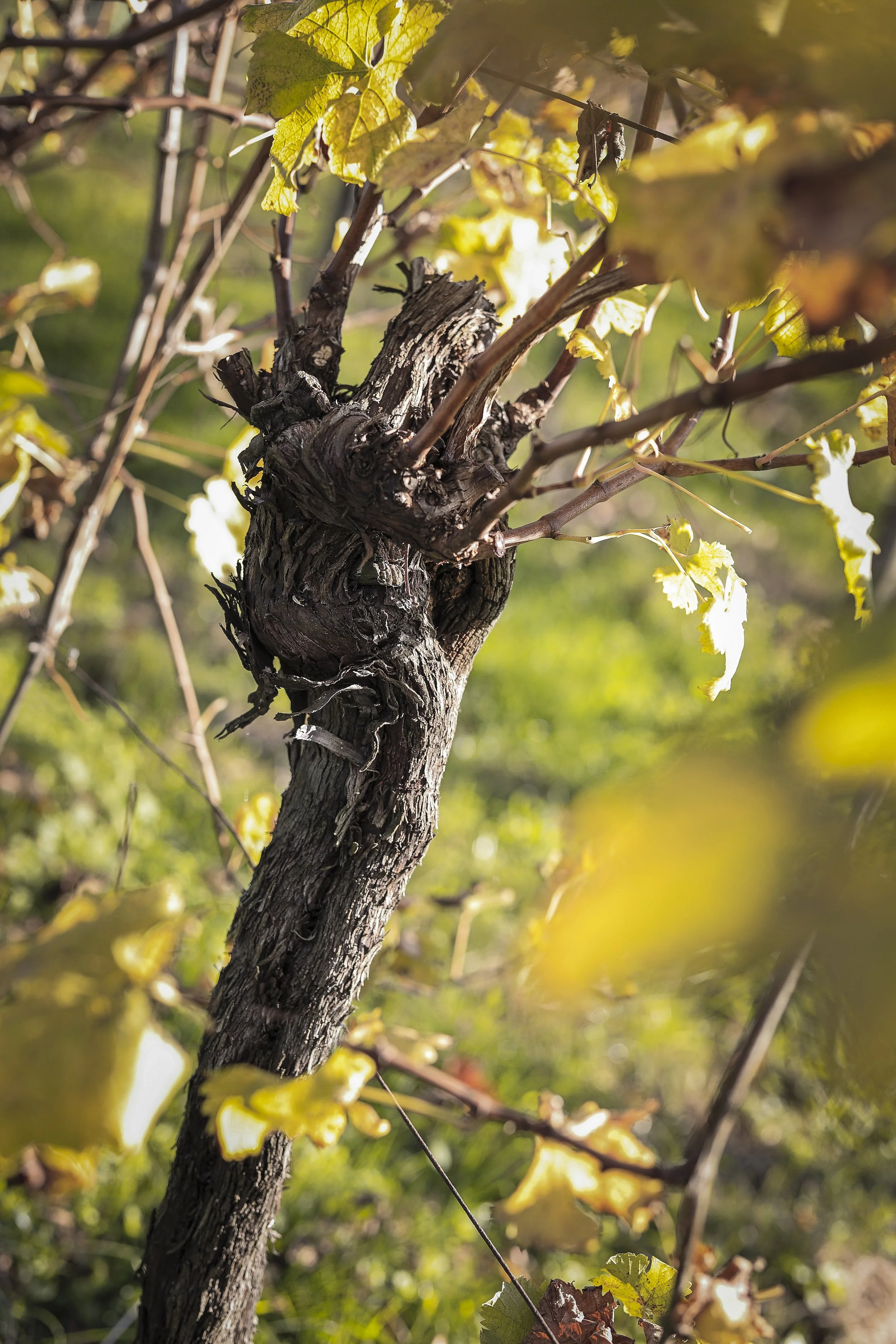
Image: A Friulano vine planted in 1974, in the Sot La Mont vineyard, Vini Brumat
“When you approach an elderly vine, you do not see weakness as a limitation but as a narrative of endurance. Just as an aged person speaks with a trembling voice carrying the weight of memories, the vine communicates through its subtle mutations and strategic survival mechanisms. Its reduced but intensely concentrated fruit is not a sign of frailty but a testament to its ability to conserve, adapt, and persist,” says Gabriele Brumat, owner of the Brumat estate.
Caring for these old vines is not only an act of sustainability but also a philosophical practice of honoring the past while looking to the future. By preserving the genetic diversity and resilience of these ancient vines, Vini Brumat safeguards a living heritage while crafting wines that embody their story. Each vine, with its gnarled branches and weathered bark, is a keeper of memories, carrying within it a silent poetry of survival. These vines, like wise elders, remind us that strength lies in endurance, and true greatness comes from resilience and refinement over time.
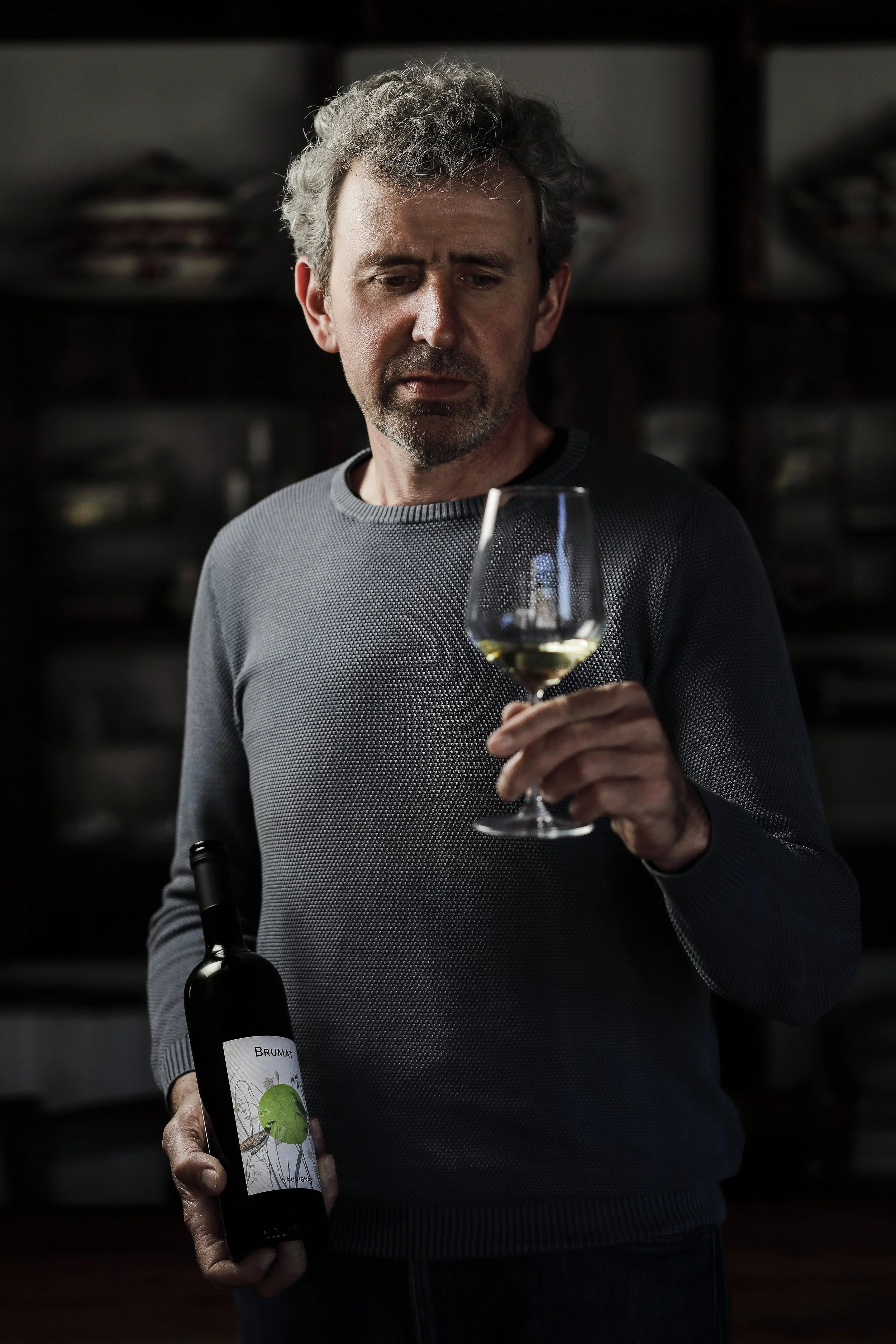
Image: Gabriele Brumat of Vini Brumat
Recent Developments - January 2026
Building on its deep-rooted heritage, Vini Brumat is looking decisively to the future. The estate has strengthened its presence in export markets, supported by organic certification that underscores its commitment to sustainability and transparency.
A new Merlot, produced from dried grapes from the 2024 harvest, is currently in development, with label creation and bottling scheduled within the year. This addition will further expand the estate’s small yet highly focused portfolio.
In parallel, Vini Brumat is in the process of transforming from a sole proprietorship into a benefit corporation, a strategic move undertaken with the long-term goal of obtaining B Corp certification. This evolution formalises the estate’s ethical, environmental, and social commitments while remaining true to its artisanal scale.
www.vinibrumat.com/en/
@vinibrumat/