
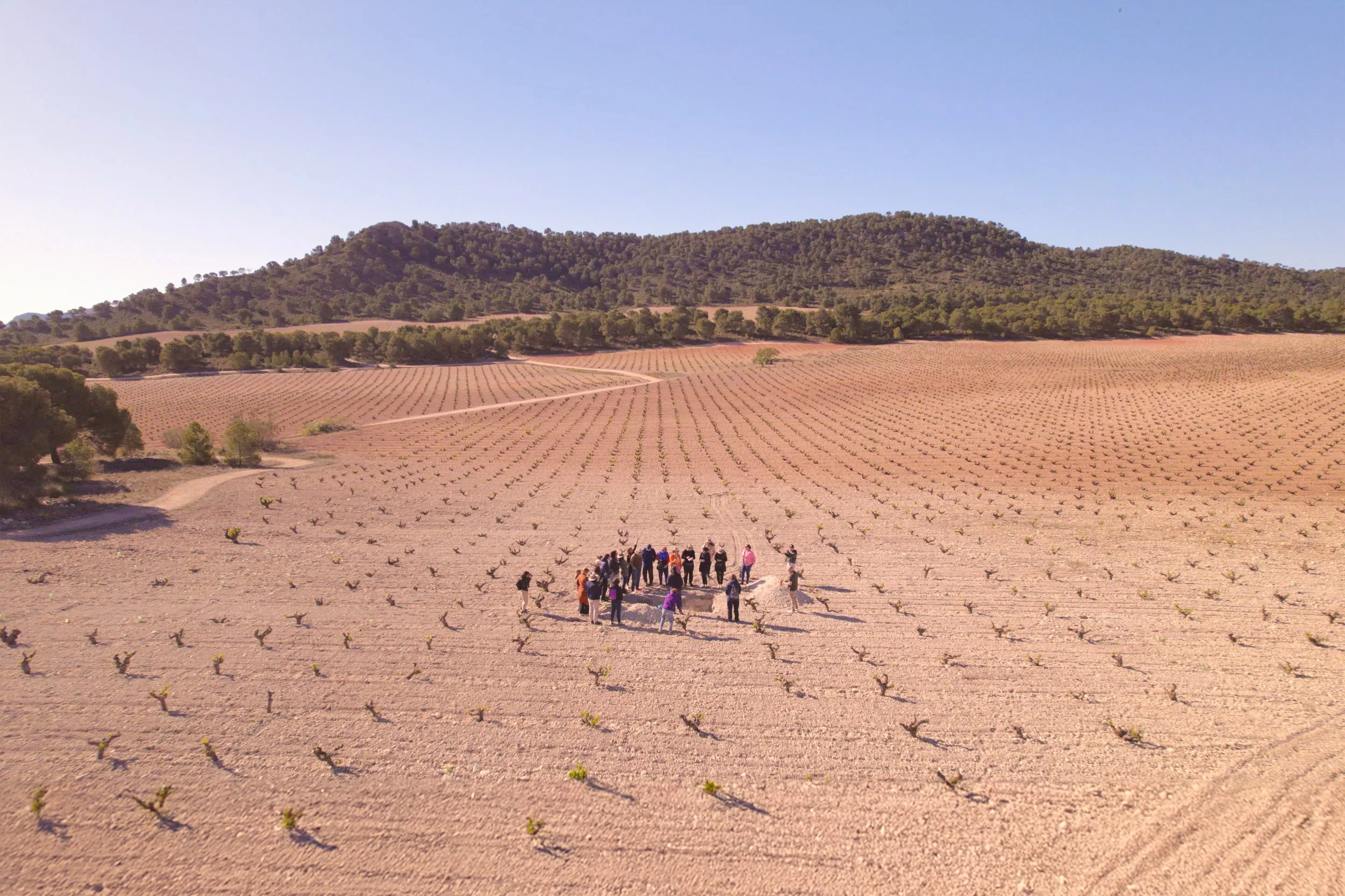
The Old Vine Conference Press Trip in April 2024 included visits to vineyard soil pits to better understand the terroir
By Anna Harris-Noble, Regional Ambassador for Spain
Jumilla's key grape variety Monastrell is often described by wine guides such as Wine Folly as being full-bodied and high in tannin, so you could be forgiven for thinking that the region's old vine wines would all be blockbusters. But, as we saw on the Old Vine Conference research trip a few years ago, Spain's Jumilla region is well placed to produce wines from old vine Monastrell and other grapes such as Airén, in a variety of styles and colours, creating wines that are truly unique. In this article, we explore some of the factors that make the Jumilla region unlike anywhere else, and why it was named Region of the Year by Tim Atkin MW and Beth Willard in their Discover Spain Report 2026.
The climate
When we visited the region in April 2024, some of the attendees turned up in shorts. They soon regretted this sartorial decision when we visited the vineyards. It is true that it is one of Spain's sunniest and most arid regions, with only 300mm rainfall on average per year, and temperatures regularly exceed 30C in summer. But crucially, this is a continental region, with vineyards at altitude, so temperatures can oscillate wildly and cool breezes often refresh the vineyards, moderating the higher summer temperatures and producing grapes with balanced fruit ripeness and freshness.
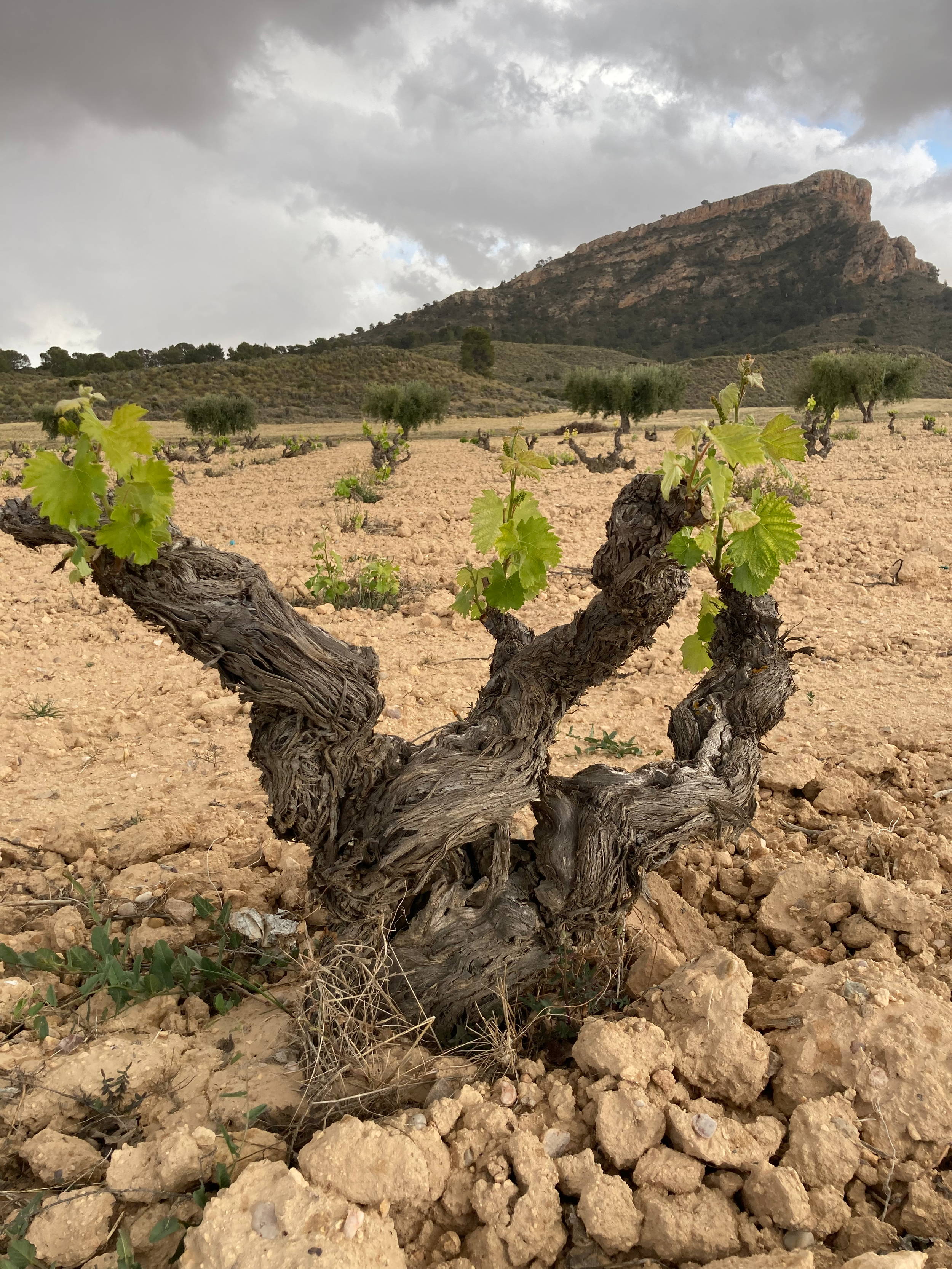
Puntal de Casa Quemada, a Monastrell vineyard planted in 1988 at 680m above sea level. Our visit coincided with cool, blustery weather.
The soils
Another key factor in the region is the soil. As we saw on the trip in April 2024, there are varied soil types from chalky limestone to rocky volcanic soils, sandy gravel and even clay, but the soil in the oldest vineyards often features petro-calcic layers, compacted layers of calcium carbonate that prevent evapotranspiration, trapping moisture deep in the soil, allowing vines to survive in this dry climate.
A large proportion of the region's soils have very high levels of active carbonate, making them hostile to phylloxera. Such high carbonate levels make critical micronutrients insoluble and unavailable to plants. Some theories point to this blocking effect leading to the yeasts becoming stressed and excreting sulphur during the fermentation process, which we interpret as mineral notes in the tasting process.
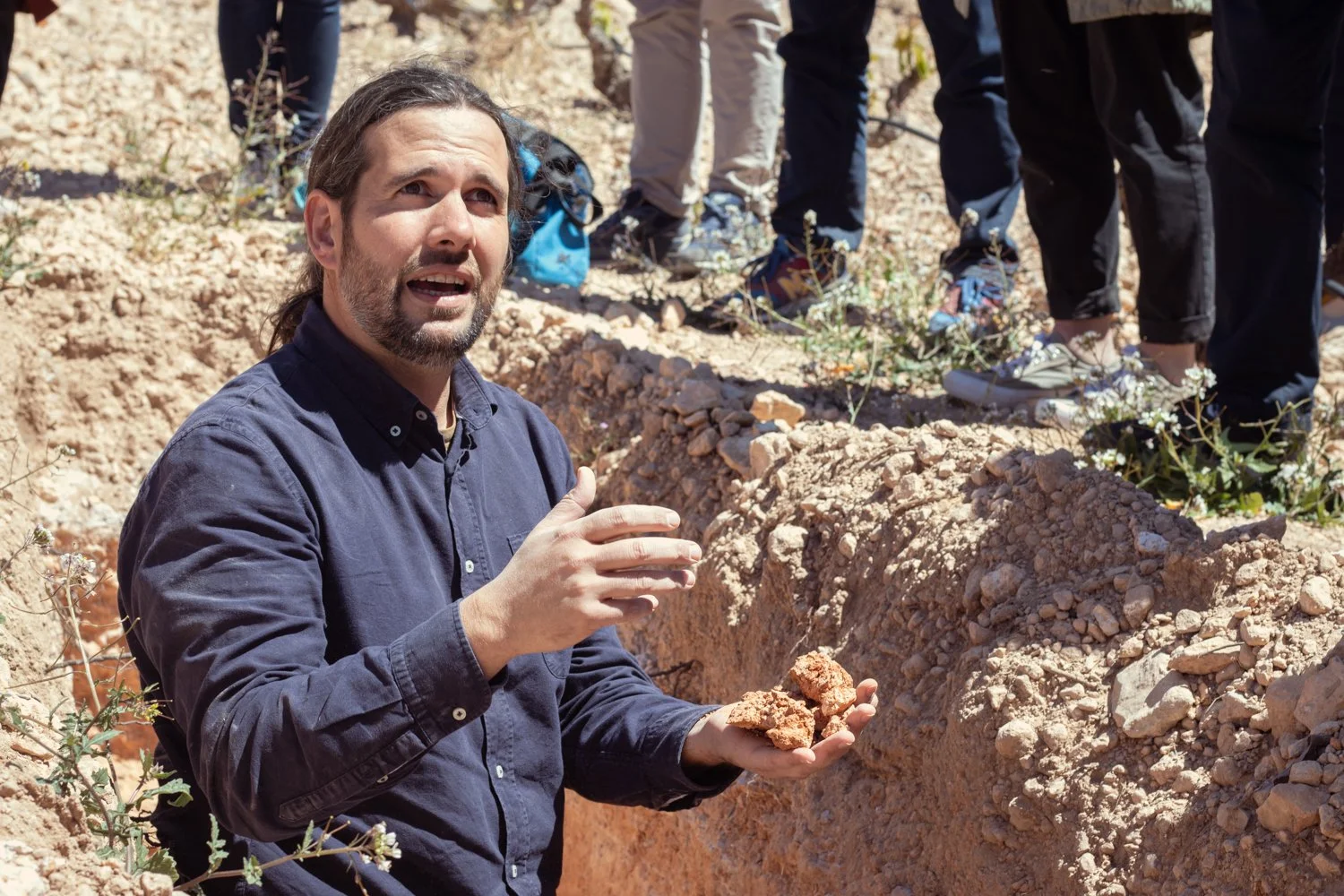
Prof. Joaquín Cámara Gajate in a soil pit in La Muela, Fuente-Álamo, belonging to Bodegas Cerrón, where he has discovered active carbonate levels as high as 22%
Ungrafted old vines
Over 800ha of un-grafted vineyards can be found in the region, thought to be the largest concentration in Europe. These are vines that have been propagated using the traditional method of layering prior to the 1980s. Although in theory, any vines planted in Europe since 1980 should be grafted on American rootstock, vine growers in Jumilla have found that grafted vines struggle to survive in DO Jumilla, due to the aforementioned active carbonate in the soils.
Ungrafted vines are interesting for two reasons, their biodiversity, through the propagation of rarer genotypes rather than nursery-grown vines often cultivated for yield rather than flavour. There are many that say that they also offer a "purer" expression of the terroir, as well as grapes with a lower pH.
This is aside from old vines having been proven to offer lower yields of more complex grapes.
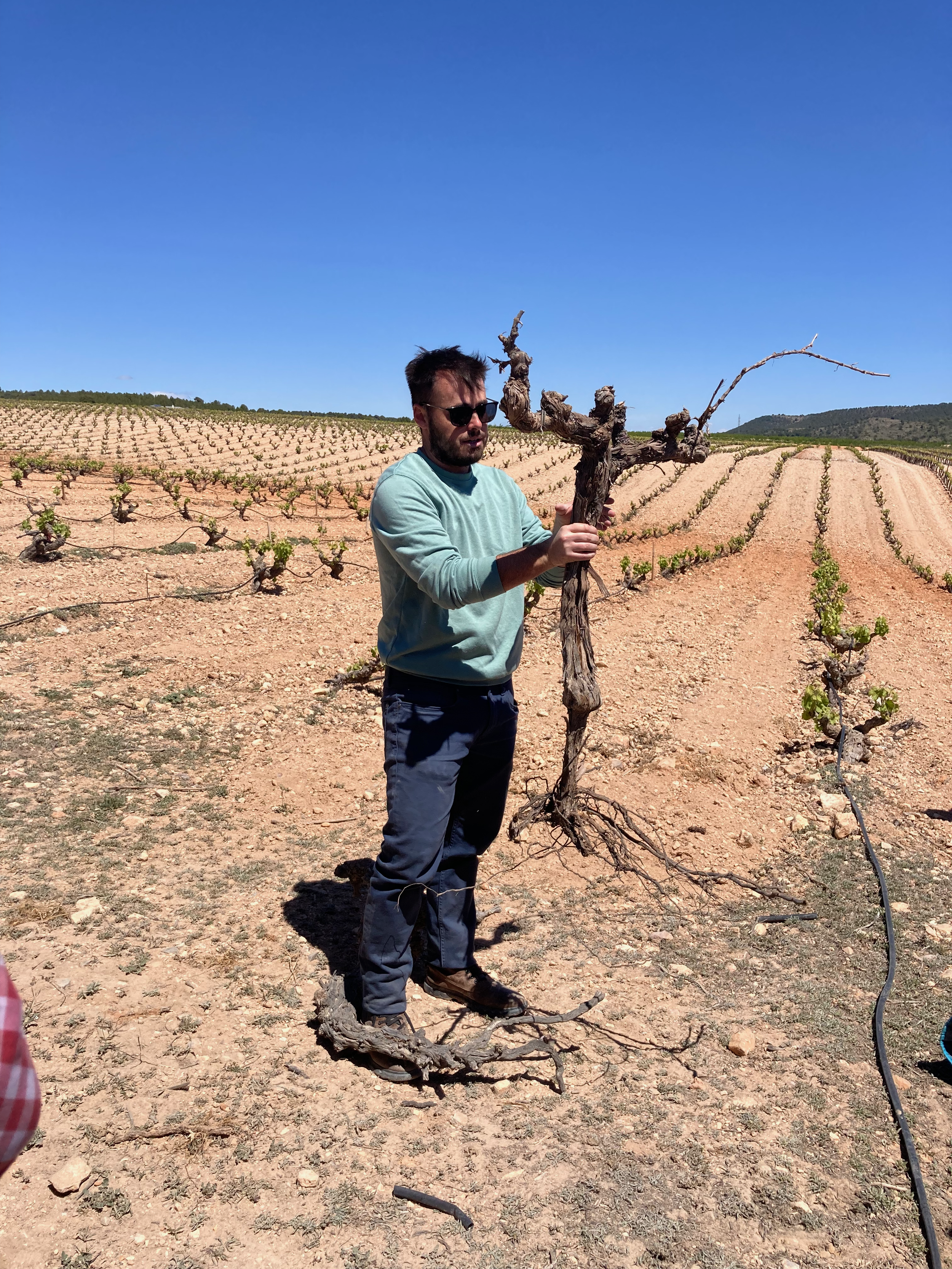
Juanjo Cerdán of Bodegas Cerrón showing a vine planted on American rootstock that did not fare well in the extreme conditions.
The history & people
Archeological remains of Vitis Vinifera seeds dating back to 3,000 BCE have been found in Jumilla. The presence of Iron Age pottery used for storing and serving wine also points to over 5,000 years of winemaking in the region and there is a long history of wines being traded from hubs in the Mediterranean by the Phoenicians and Romans, with wines of the Levante being highly prized.
The industry really developed in the early 20th century when phylloxera decimated French vineyards. At that time, when grapes in northerly climes often struggled to ripen, alcoholic wines were much in demand and Jumilla's phylloxera resistant soils meant they continued to supply much of the rest of Europe with bulk wines throughout the rest of the century. The region became a DO back in 1966 but only 7 bottling wineries had been registered by 1975 and cooperatives controlling most of the production.
Now, there are over 35 registered wineries. Many of the newer wineries have been founded by younger generations who have taken over from their grandparents or parents who used to sell their grapes to the local co-op.
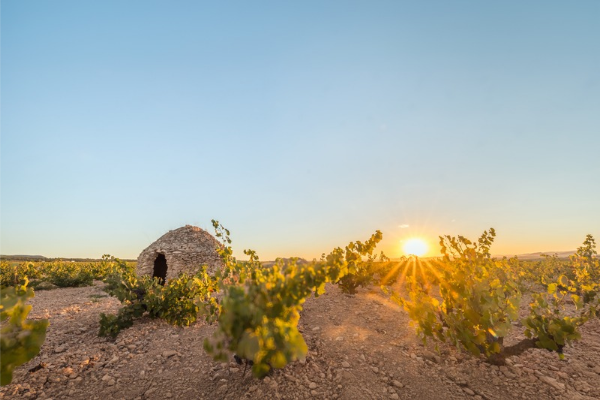
Evidence points to over 5,000 years of continuous winemaking in the Levante.
The varied styles
White
Bodegas Cerrón is a great example of a winery that has seen its fortunes change after being taken over by the younger generations, with Carlos and Juanjo Cerdán winning the New Generation award in the Old Vine Hero Awards 2025.
The winery's El Cerrico bottling comes from a 100% Airen vineyard planted in 1922. The 2024 vintage was recently awarded a perfect 100-point score in Tim Atkin and Beth Willard's Discover Spain report. I've tasted previous vintages and found it to display a fascinating struck-match note and long, chalky texture more often associated with France's finest Cru vineyards than a grape used mainly for making brandy!
Interestingly, Professor Joaquín Cámara Gajate found extremely high active carbonate levels in some of the old vine parcels owned by the winery, such as La Muela, planted in 1988 at 829 metres above sea level. The blocking effect of this mineral in the soil is thought to lead to these particular reductive notes in wines. .
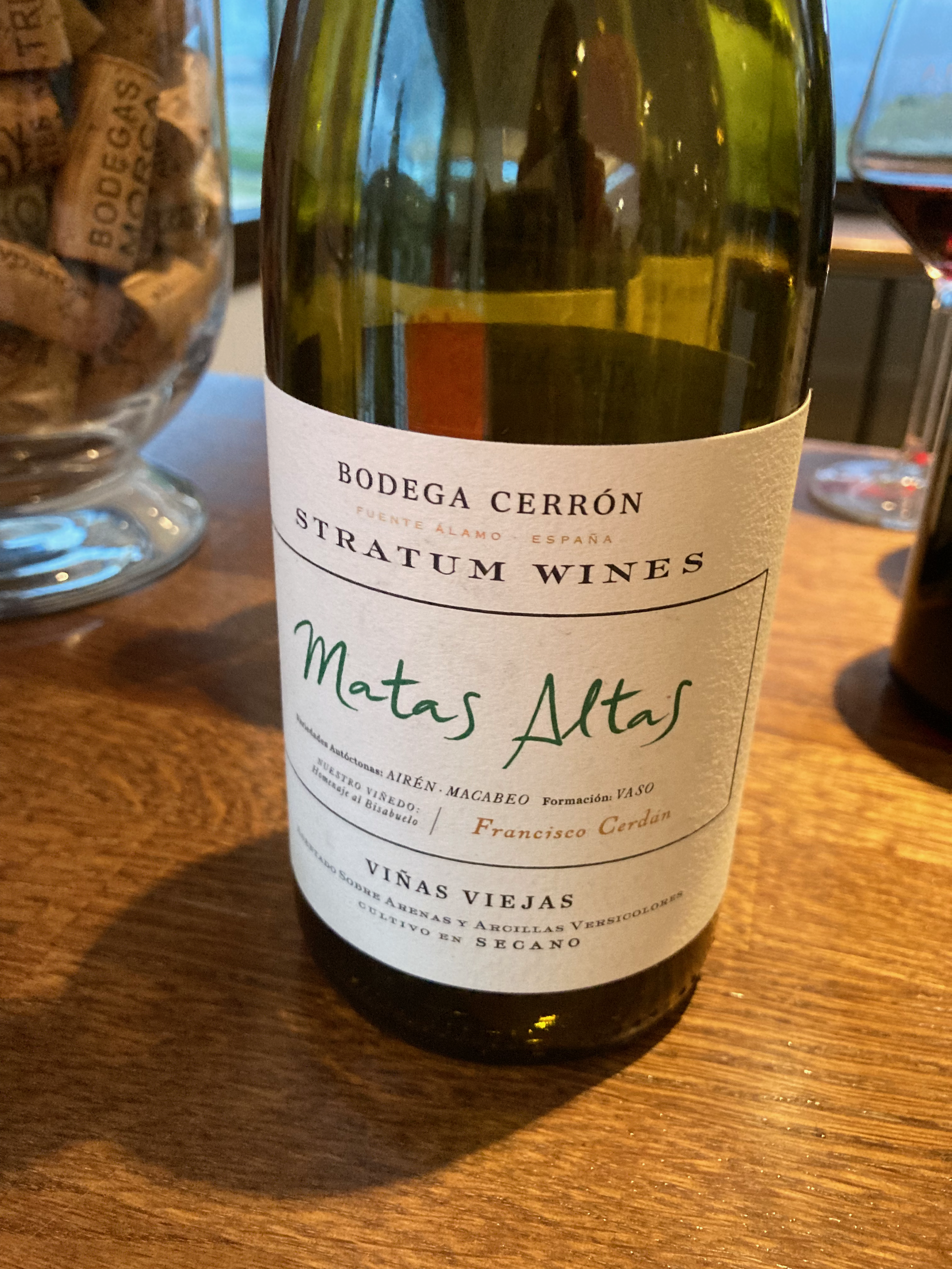
Bodegas Cerrón’ s white wines made from old vine Airén and Macabeo have a distinct chalky, mineral character
Roses and lighter reds
Viña Elena is currently run by Elena and Fernando, the third and fourth generations of the Pacheco family, who started bottling wines from vineyards that their family previously harvested to sell the grapes to the local co-op. They have launched a range called Bruma del Estrecho de Marín (paying tribute to the fog "bruma" that settles in the valley where they are located). The wines reflect the character of different parcels and they "strive and toil to produce balanced, fresh grapes in a bid to steer clear of the age-old concept of over-ripeness."
One of the wines they make is Parcela Particiones from a parcel planted with both red Monastrell and white Airén grapes in 1960 at 720-metres altitude in Tobarra. The grapes are harvested at the same time, de-stemmed and the whole berries are co-fermented in a tank with the Monastrell at the top to avoid extracting too much colour. It’s a fascinating wine, much like the claretes of the past, with a silky texture and vibrant freshness.
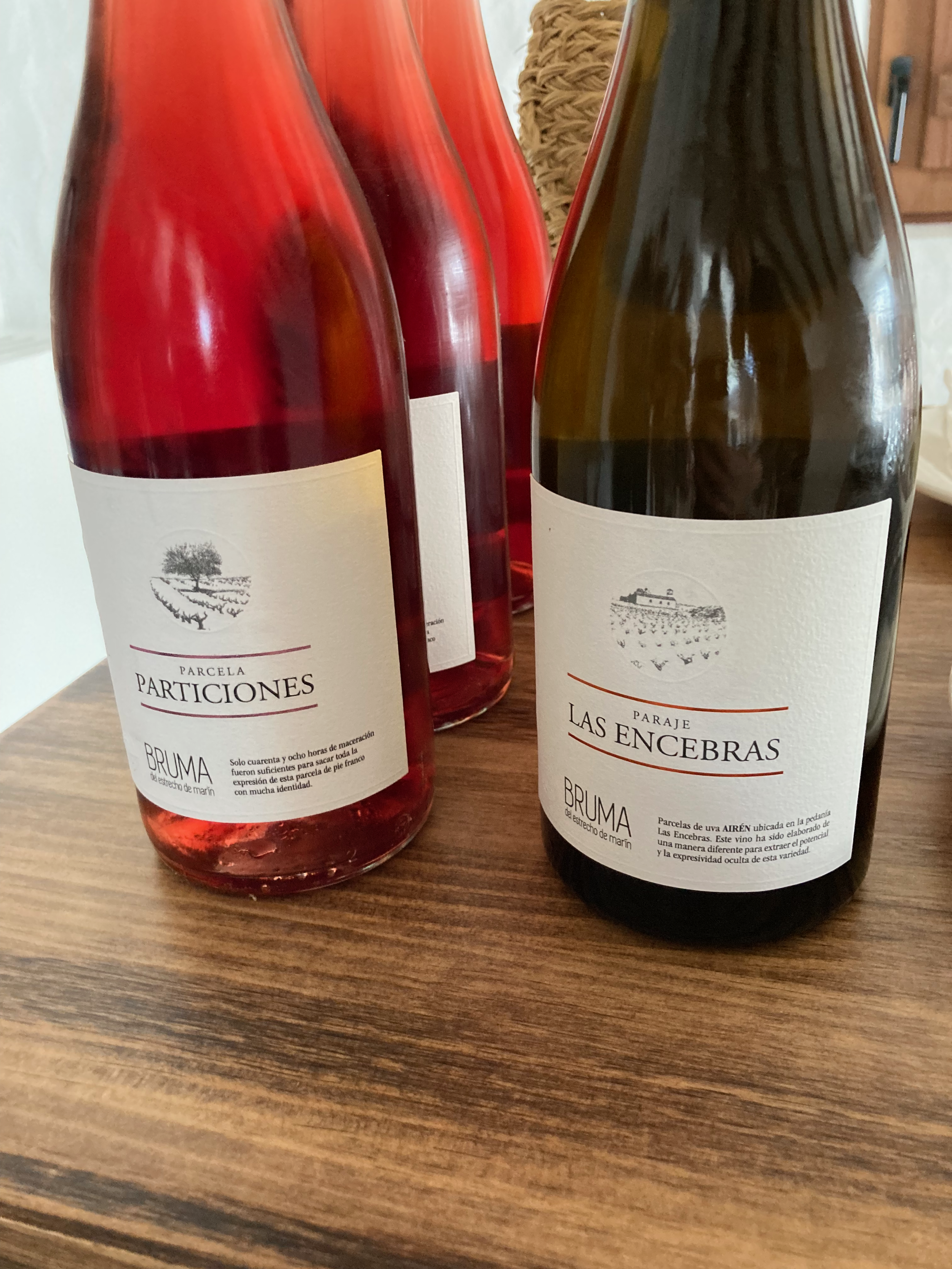
Viña Elena’s Bruma del Estrecho de Marín Parcela Particiones is made from a blend of red and white grapes
Vina Elena also makes some delightful red wines that are aged in concrete rather than oak. Bruma Paraje Marín 2025 was named value wine of the year in the aforementioned Discover Spain report. I love its freshness and floral aromatics.
Another lighter red that I’ve enjoyed on many occasions is Terraje from Parajes del Valle. 100% organic, it comes from ungrafted Monastrell vines of more than 50 years of age. Crunchy lifted red cherry and herbal notes unfurl on a long palate. A wine to serve lightly chilled.
Medium-bodied and full-bodied reds
This is Monastrell’s heartland. The prime example is Casa Castillo’s Pie Franco. Made from 100% ungrafted Monastrell planted in 1942, the sandy nature of the soil and the fact it is aged in neutral 500-litre French oak demi-muids rather than smaller barrels makes it a particularly elegant wine, which treads the tightrope between filigree perfume and power. The 2018 vintage showed orange zest, Christmas spices and wonderful raspberry fruit with a lovely refined grip on the palate.
Muri Veteres from Bodegas Carchelo is a particularly complex and concentrated example from 60 year-old ungrafted Monastrell vines. In the 2021 vintage, notes of red cherry, blackberry jam, black pepper, graphite and blood orange soar over a background of dried herbs and toasted coffee with the richness required to support 15% abv.
Of course, Monastrell is the main grape in Jumilla, accounting for over 70% of plantings, but it's not the only one. Some wines, such as Bodegas Luzón's Por Ti, blend in a percentage of other grapes - in this case, 20% of Cabernet Sauvignon - to add extra structure and weight. Ripe black cherries and olives appear alongside notes of violet and a savoury balsamic finish.
Bodegas Juan Gil is another winery that planted international grapes - and had the vision needed to expand to new markets. Their Juan Gil Etiqueta Azul 2021 represents what many outside Spain have come to expect from the region, very sweet, ripe fruit, polished vanilla oak and buffed tannins in a soft, seductive package. This profile comes from a blend of 60% old vine Monastrell with 30% Cabernet Sauvignon and 10% Syrah aged for 18 months in American and French oak. The group is also behind the exclusive El Nido project. El Nido 2021 shows roasted coffee, cocoa, black olive and blackcurrant notes from 70% Cabernet Sauvignon. It's a mighty wine but despite its 15.5% alcohol it still achieves balance.
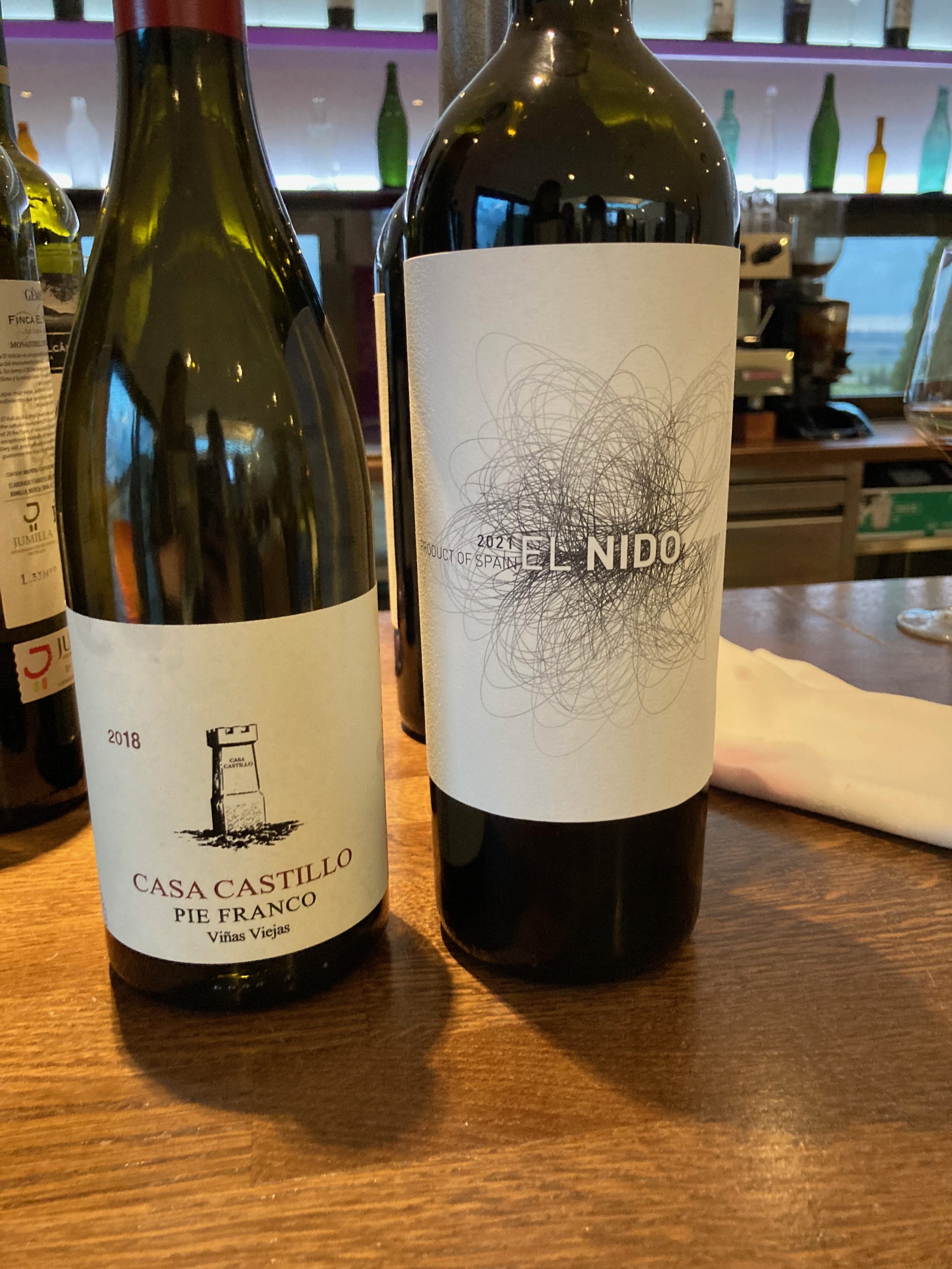
Casa Castillo Pie Franco and El Nido are among Spain’s most renowned wines
Sweet reds
One of the most surprising and delightful styles from the region. Bodegas Olivares hosted a vertical tasting of their Monastrell Dulce in their 40 year-old Hoya de Santa Ana vineyard. It's a very special style that can only be made around 5 times a decade when the Monastrell grapes are left on the vine until the autumn, concentrating the sugar and developing notes of sun-dried tomato and black olives alongside ripe, figgy and raisined fruit. The fermentation is stopped with the addition of grape spirit to get a wine that is around 16% alcohol with over 200g/l of residual sugar. Despite this, the acidity and the chalky character of the vineyard ensures that the wines are balanced with sweet-salty flavours that pair perfectly with both chocolate and blue cheese.
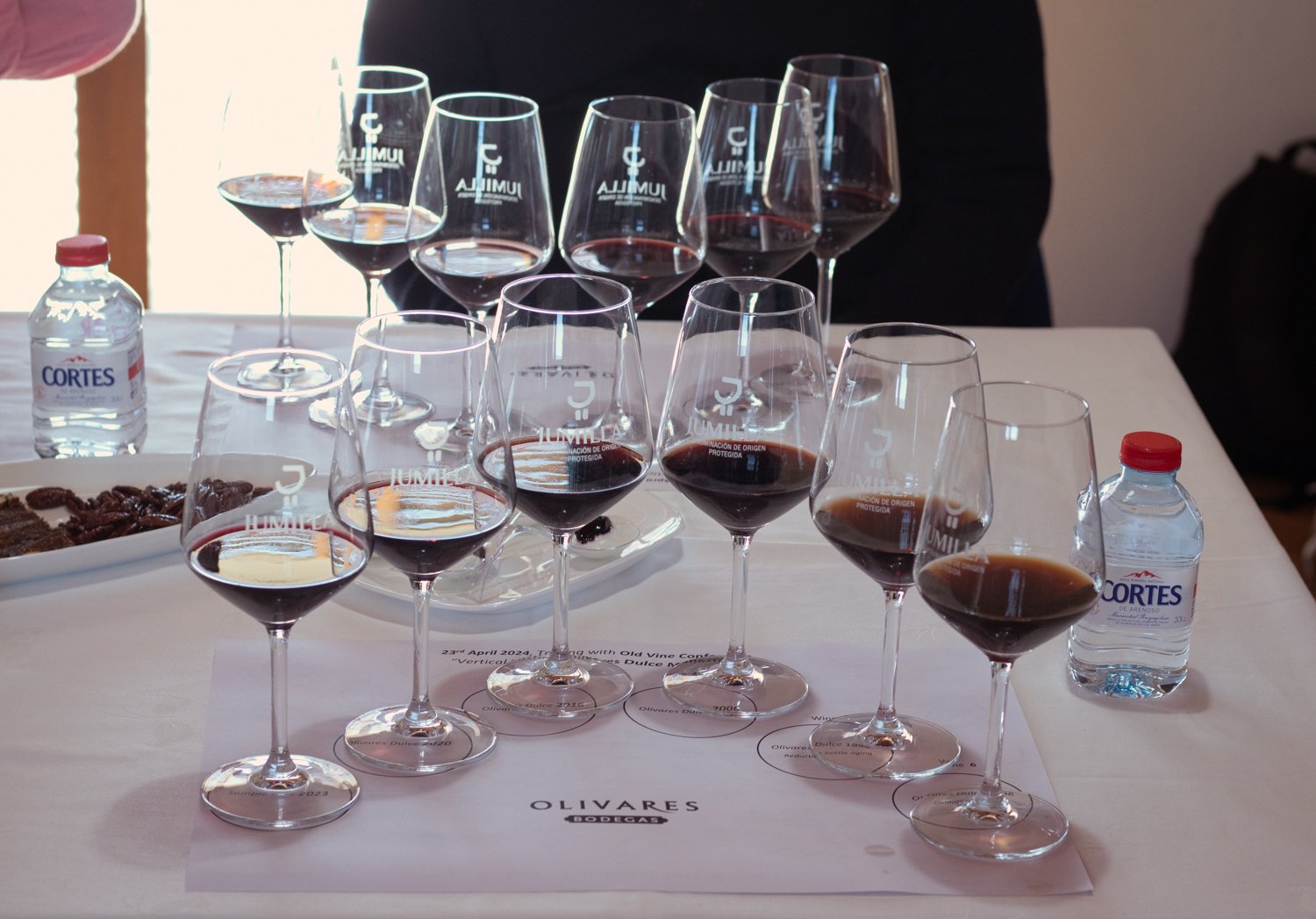
Bodegas Olivares is known for its unique sweet Monastrell that pairs well with chocolate
With such a wealth of old, ungrafted vines and new voices taking the region forward, it is not surprising that Jumilla has been named Spain’s Region of the Year.
Click below to watch the video documentary of the trip.