
Kathleen Van den Berghe MW, Loire, France
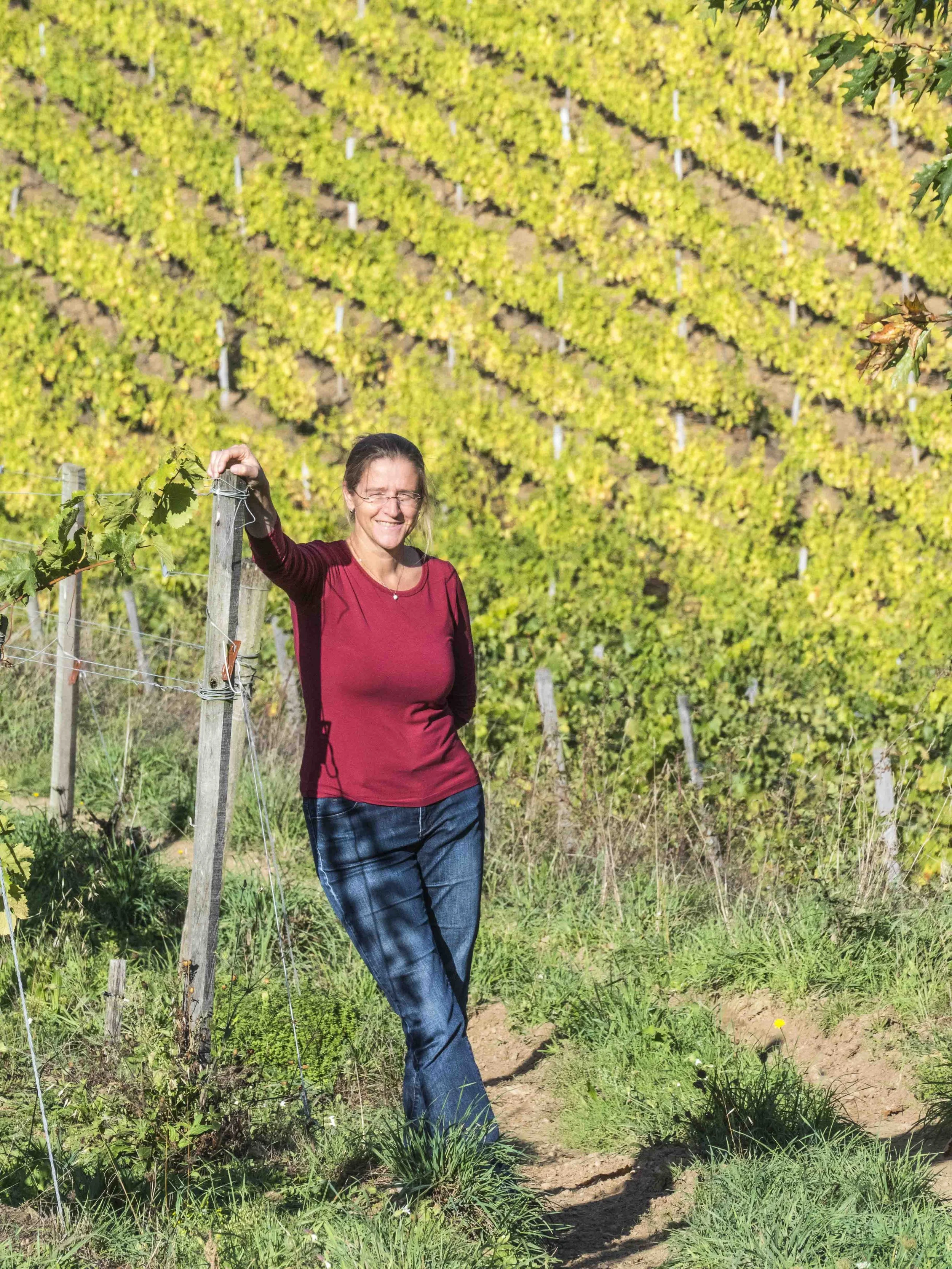
Image: Kathleen Van den Berghe MW in the vineyard at Château de Suronde
Kathleen Van den Berghe MW has been a wine entrepreneur in the Loire Valley since 2010, guided by a clear and enduring commitment to the preservation, understanding, and expression of old vines. She approaches historic vineyards not merely as agricultural assets, but as living archives of genetic diversity, cultural memory, and place. Across her two Loire estates, she has led long-term transformations rooted in organic and biodynamic farming, extensive vineyard work, and the pursuit of fine, pure, and fault-free wines that privilege clarity, restraint, and longevity over immediacy.
At Château de Minière in Bourgueil, the vineyards extend across classic tuffeau limestone soils, sometimes layered with gravel and clay. Since acquiring the estate in 2010, Kathleen has undertaken a comprehensive renewal, vine by vine and cellar by cellar, with the aim of refining its voice rather than reinventing it. Historically dedicated to Cabernet Franc, Minière continues to explore the variety’s finesse, aromatic precision, and mineral transparency, while more recently integrating carefully chosen plots of Chenin Blanc.
Old vines form the estate’s backbone. A significant proportion of the vineyards exceed 50 years of age, and Minière is especially distinguished by three individual parcels of 100-year-old Cabernet Franc. These centenarian vines are vinified separately, not as a gesture of prestige, but as an act of listening that allows each site’s nuances to emerge without interference. Their preservation is not treated as a marketing distinction, but as a long-term responsibility. This philosophy extends into the future through sélection massale, using plant material drawn from the estate’s most resilient old vines, in collaboration with Carmes Haut-Brion.
Château de Minière is also conceived as a living cultural estate. It is open daily for high-end wine tourism, with visits, tastings, meals, seminars, and lodging. Kathleen’s personal art collection is displayed throughout the property, reflecting her belief that wine, place, and creativity belong to the same conversation.
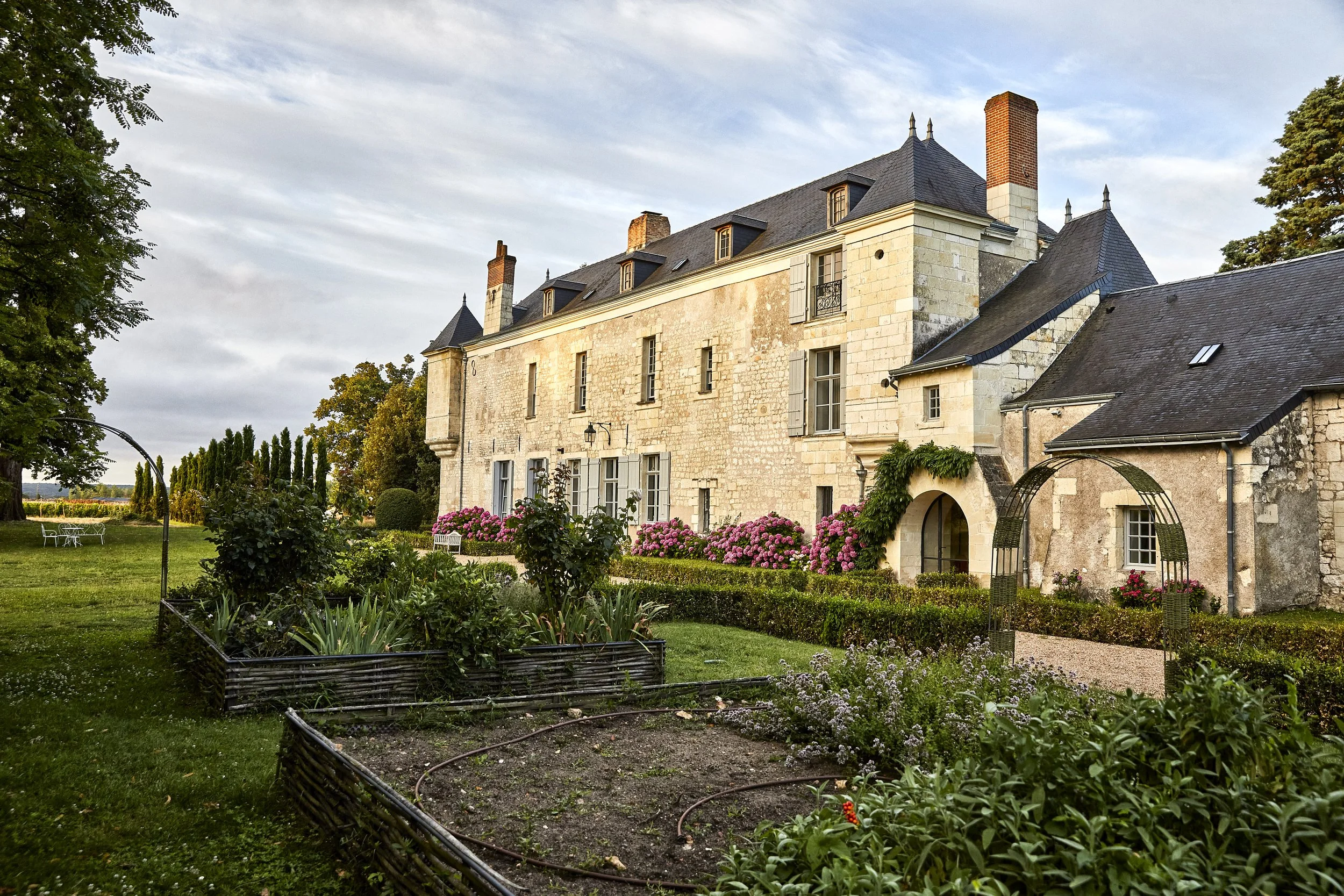
Image: Château de Minière
At Château de Suronde in Quarts de Chaume Grand Cru, nature is both context and collaborator. The estate encompasses 6.5 hectares of Chenin Blanc, all in sélection massale, including 6 hectares of Quarts de Chaume Grand Cru and 0.5 hectare of Chaume, surrounded by 10 hectares of wild landscape. Certified Organic (Ecocert) and Biodynamic (Demeter), Suronde is farmed through observation and balance, integrating eco-grazing, biodiversity, and biodynamic preparations into daily vineyard life.
Here, old vines, schist soils, and the occasional presence of botrytis shape wines of remarkable individuality. Vinification follows the same responsive logic, using stainless steel, large oak foudres, barrels, and concrete eggs as tools of expression rather than stylistic signatures. The estate is open on request for small groups, and its residences host an artist-in-residence programme, reinforcing Suronde’s role as both an agricultural and creative sanctuary.
At Minière, this philosophy finds particular focus in the old-vine Cabernet Franc cuvées, including Structure and the Interprétation Series, three individual wines drawn from three distinct parcels of 100-year-old vines, each vinified separately to preserve its singular voice.
Both estates are defined by restraint, patience, and stewardship. These are not wines made to impress in haste, but to reveal themselves over time. In an era increasingly shaped by immediacy, the work of Kathleen Van den Berghe MW stands as a reminder that old vines demand not only care, but time, and that time, when honoured, returns something quietly profound.
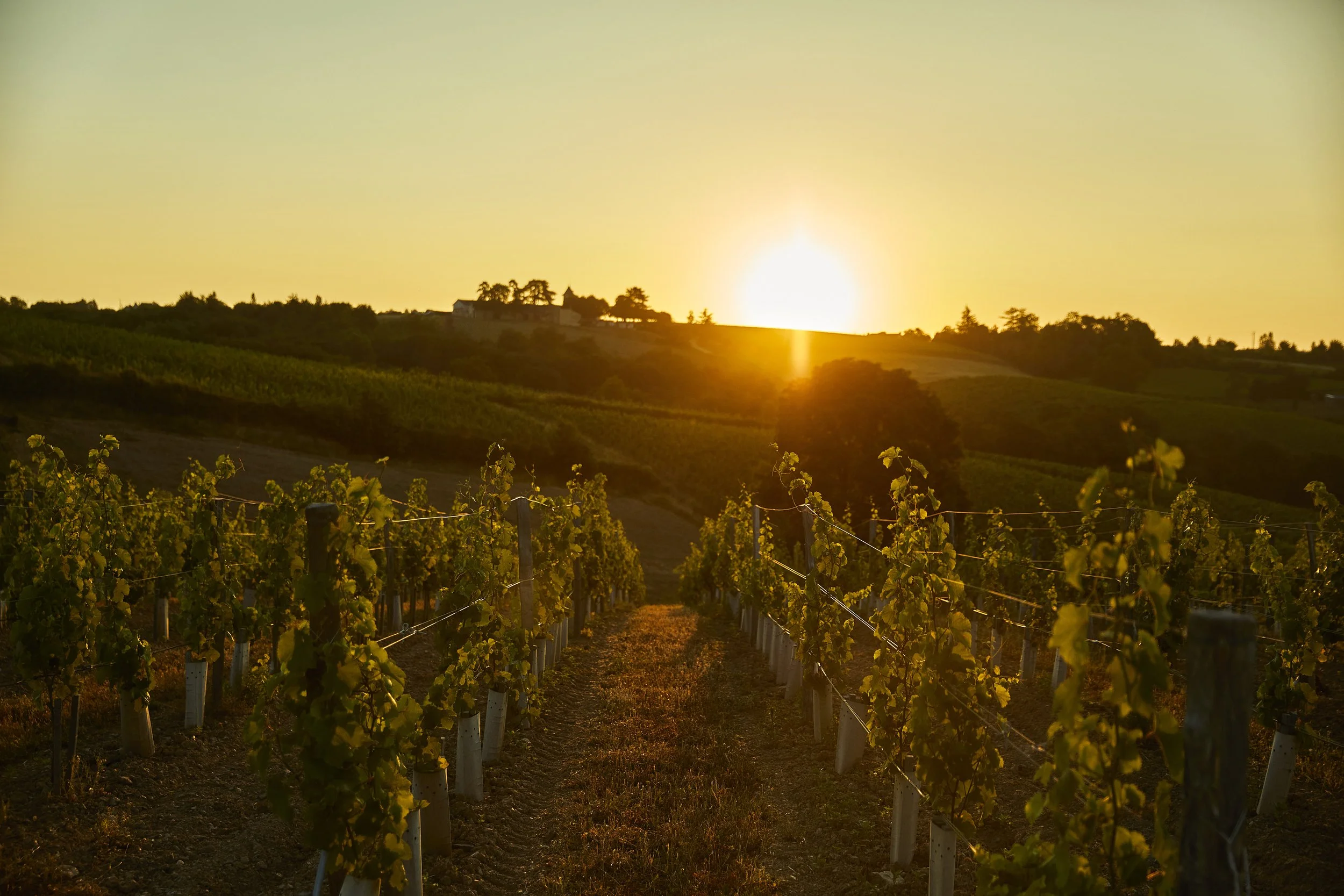
Image: Old vines at Château Suronde